[English below]
Huele a maíz recién hecho en las calles. Hay hombres que juegan a las cartas, al dominó y al ajedrez en los parques. Se mueven en bici. Fuman en el interior de los bares. Hay cabinas de teléfono, muchas. Los bebés van en brazos en los coches. Las vacas y los burros pasean junto a las carreteras, a veces como medio de transporte. Los niños juegan al balón en las calles, a veces descalzos. Hay muchos platos de comida en la mesa para compartir en familia. Se ven bodas todos los días con grandes coches decorados. En las noches de viernes se bailan danzas regionales. Se dirigen a ti con la mejor de las intenciones pero en su idioma local (alto y despacio, gesticulando). Todos nos entendemos.
Los Balcanes, junto con Albania, son una tierra de oportunidades donde a pesar de estar muy cerca en un mapa, somos muy diferentes. Y no es una diferencia de religión o de tradiciones (que también), es una diferencia en el tiempo. Es como volver a los 90. A formas de actuar y hacer de la España de hace 30 años. Incluso he escuchado la «Macarena» una decena de ocasiones.
Estos países que antes formaban «Yugoslavia” y Albania, están en continente europeo pero siempre han sido el paso hacia Oriente Medio y Asia y en su historia han sido conquistados por griegos, romanos, otomanos, bizantinos… y es aquí donde toda esa influencia a los largo de los años se palpa, se siente, se vive. Es una mezcla de cultura, religiones, tradiciones y gastronomía donde no hace falta cambiar de país para ver iglesias católicas, ortodoxas, sinagogas y mezquitas en una misma ciudad.
Hace unos años visité Croacia, Montenegro y Bosnia y ya noté el choque… En esta ocasión he visitado Serbia, Macedonia, Kosovo y Albania y he notado lo mismo. Solo así, viviendo cada uno de estos países, se pueden entender los conflictos recientes y la guerra de los Balcanes que finalizó en 1999, donde cada país tiene su historia, una versión de los hechos, una realidad… en la que todos han sufrido y de la que intentan aprender.
Recorrido que puedes hacer por los Balcanes de 18 días:
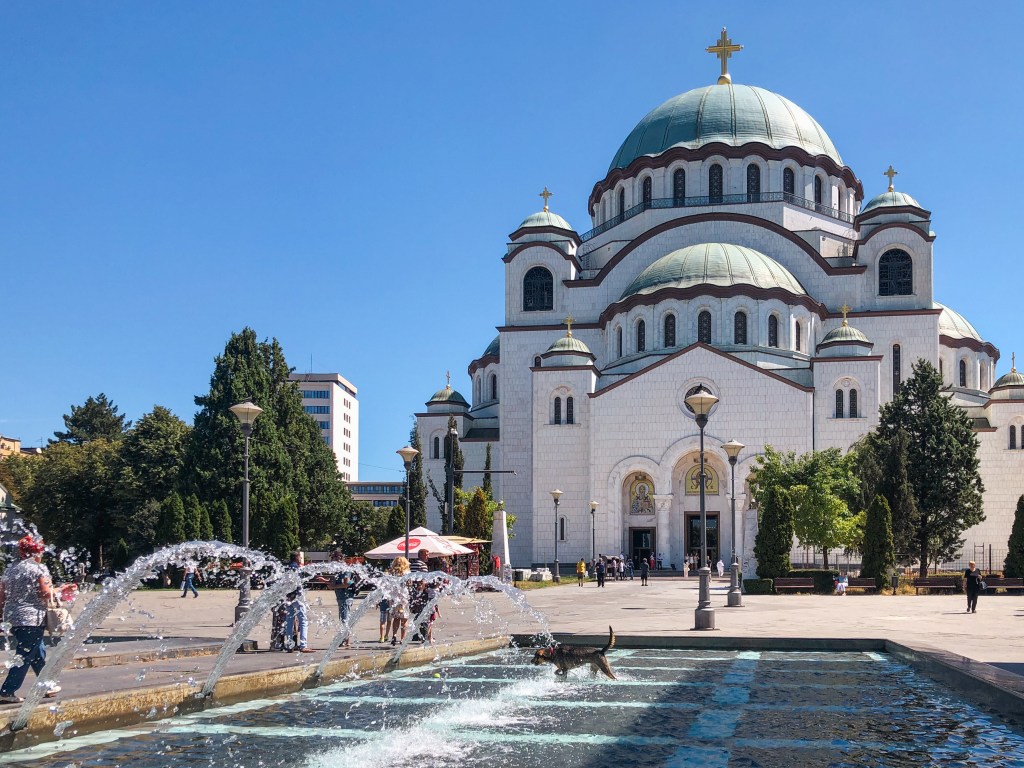
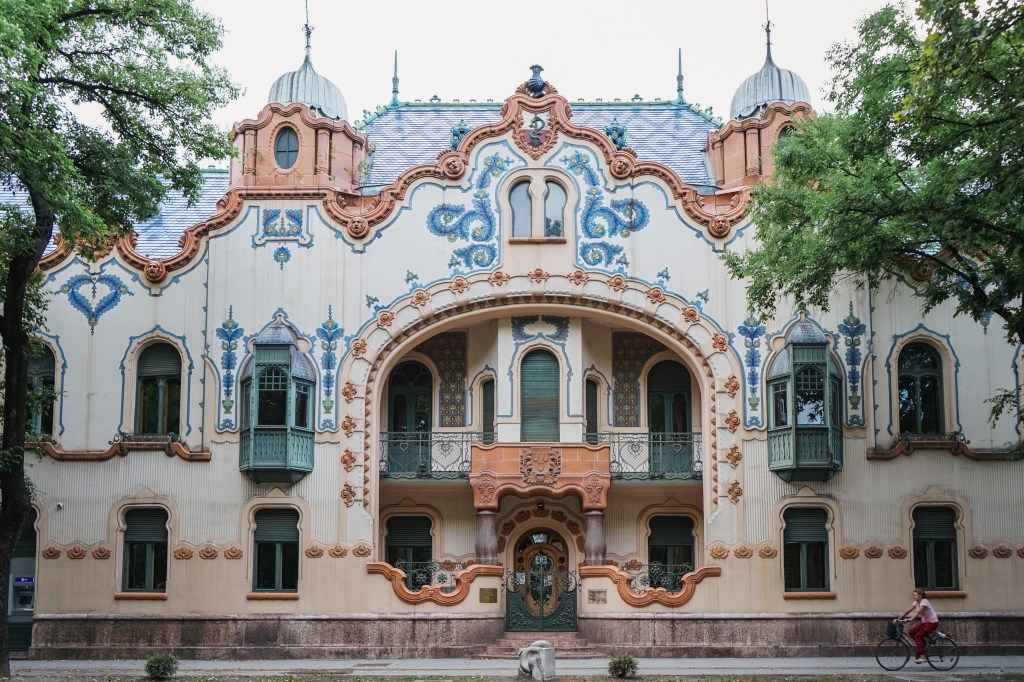
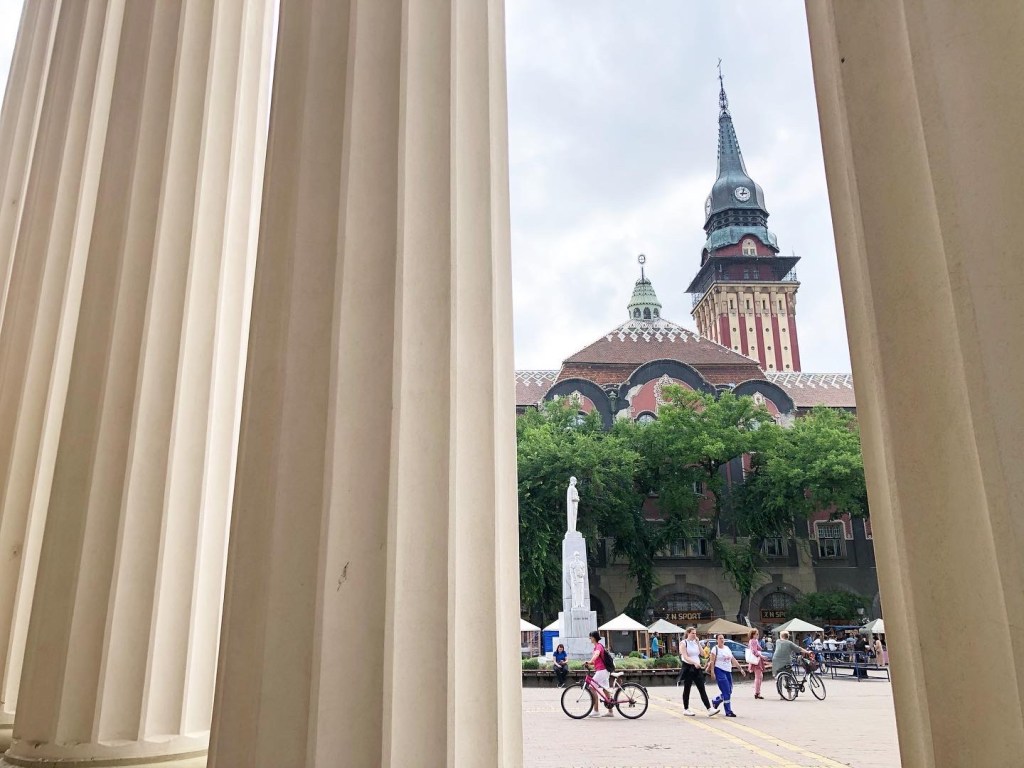
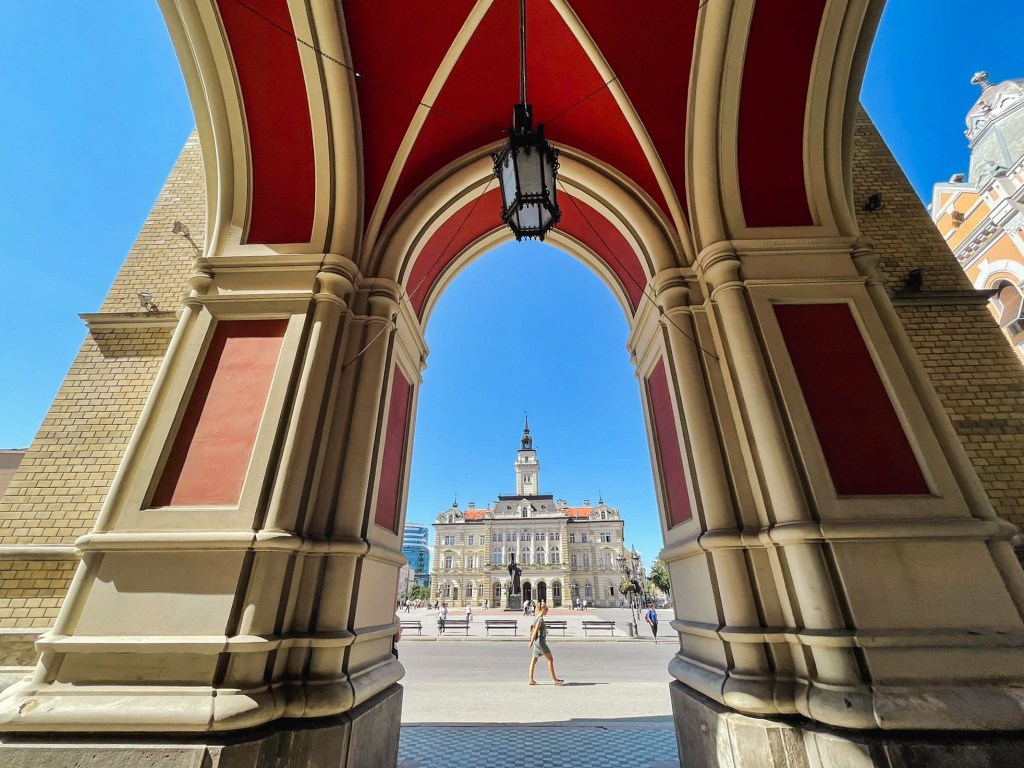
- Serbia: Subotica, Novi Sad y Belgrado.
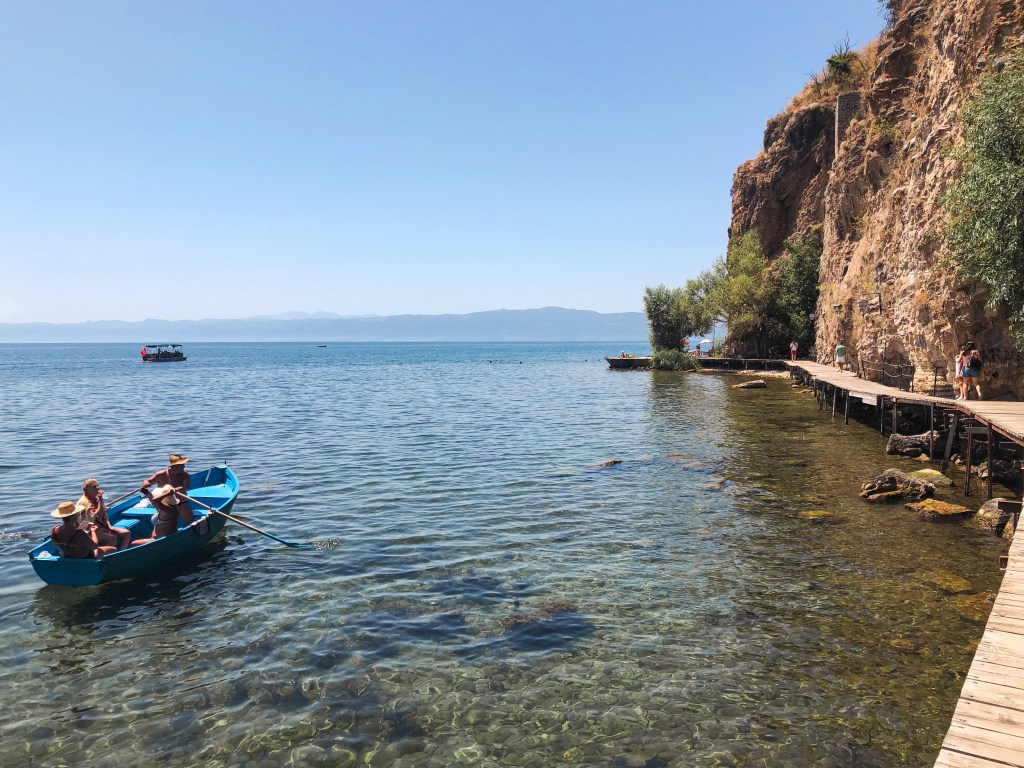
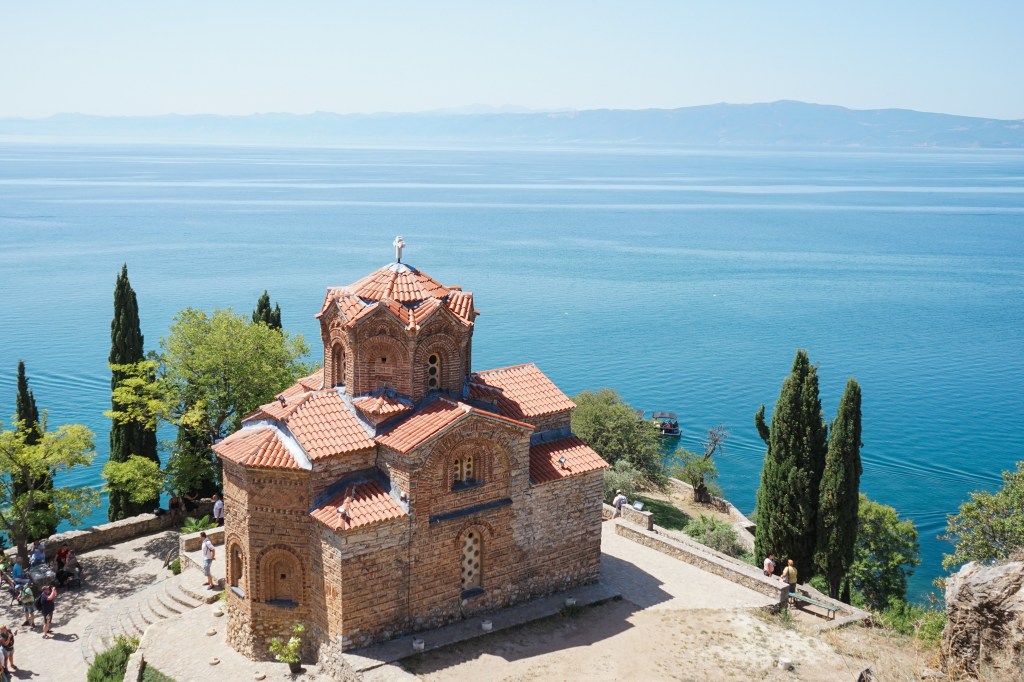
- Macedonia: Ohrid y Skopje (volamos de Belgrado a Tirana y de ahí fuimos en coche hasta Macedonia).
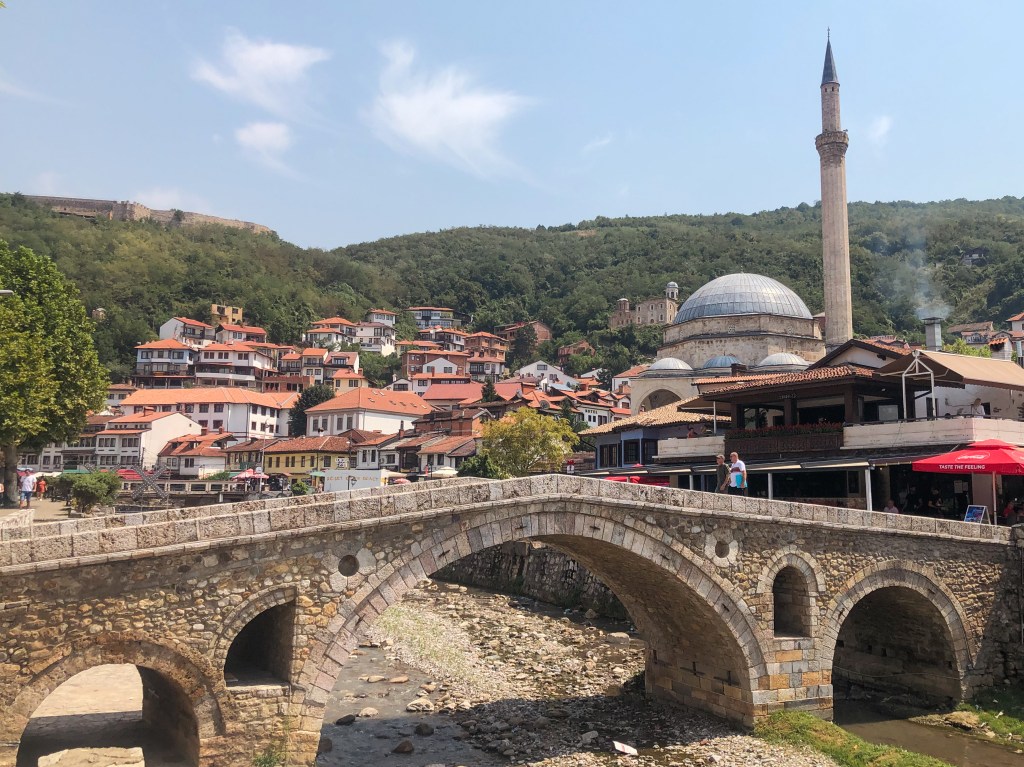
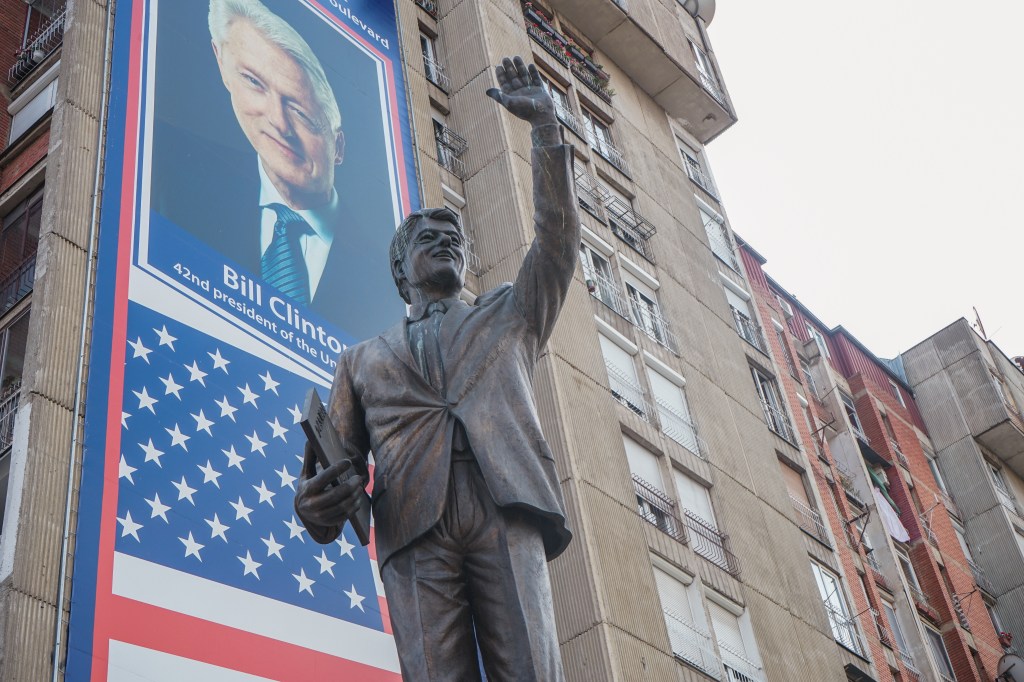
- Kosovo: Pristina y Prizren.
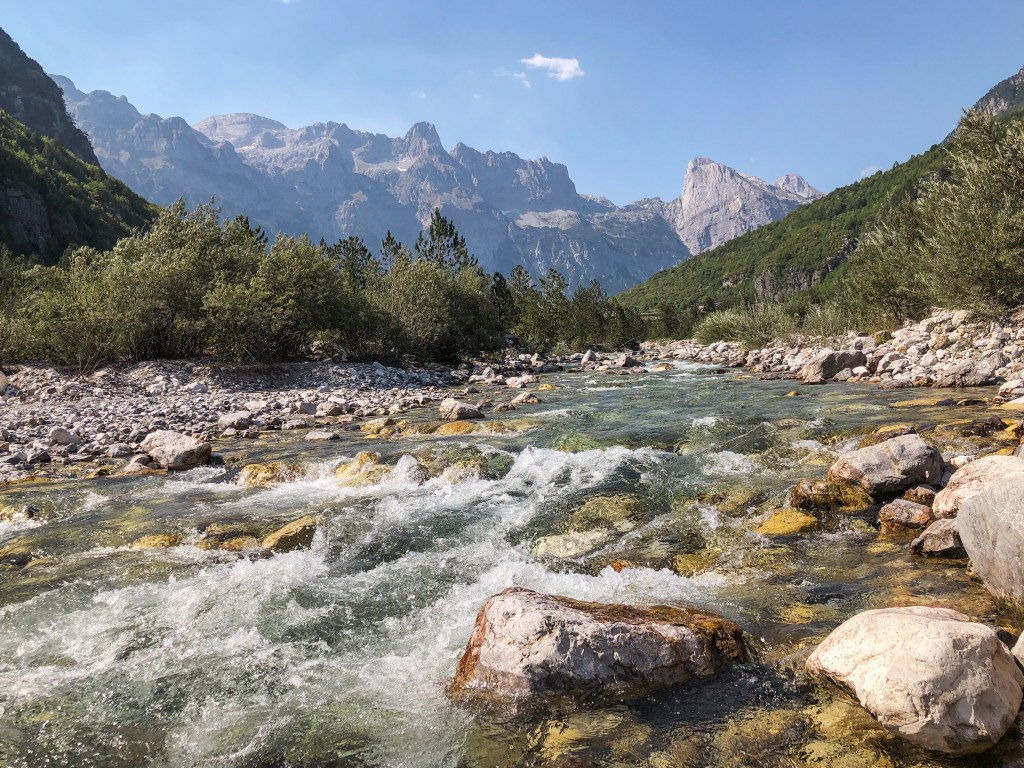
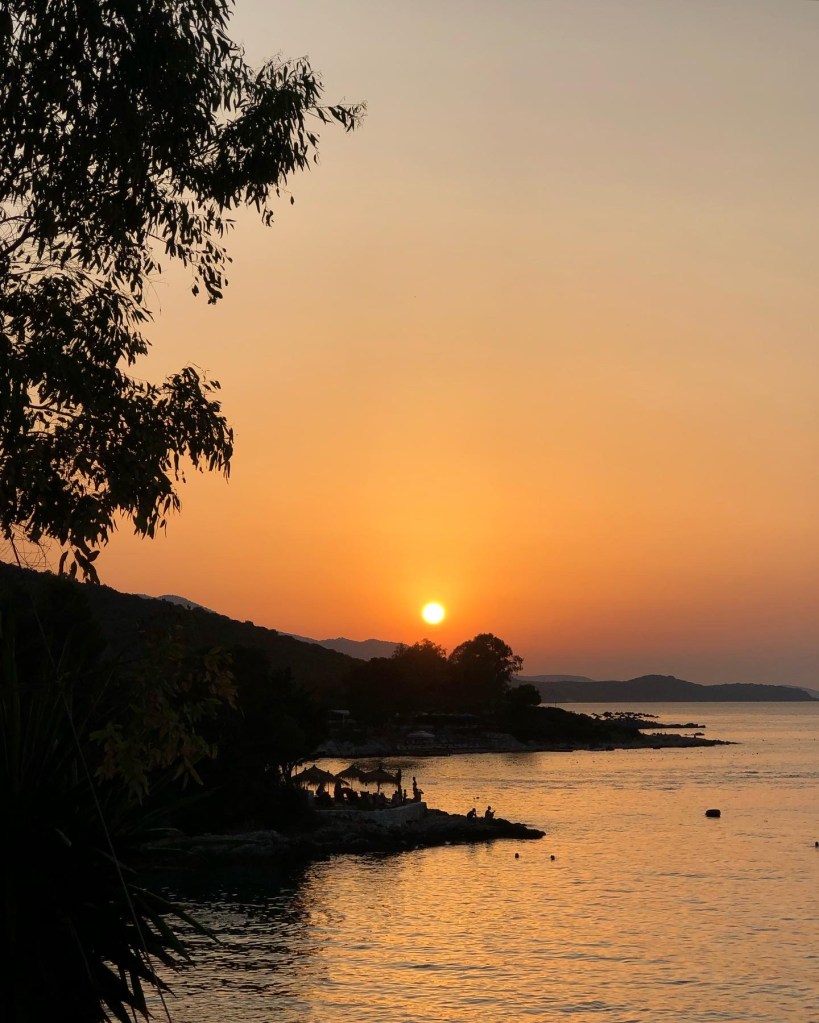
- Albania: Shkoder, Alpes Albaneses (Valle de Valbona y Theth), Berat, Gjirokastër, Butrinto y la Riviera Albanesa (Ksamil, Himare, Vlore) y Tirana.
Datos prácticos para visitar los Balcanes:
- Moneda: Serbia: dinares | Macedonia: dinares | Kosovo: euros | Albania: leks. Es normal que en algunos lugares acepten la moneda de los otros países.
- Transporte: en Serbia nos movimos con autobuses que funcionan muy bien (eso sí, son autobuses de los 90!). Para el resto del viaje alquilamos un coche en el aeropuerto de Tirana para recorrer Macedonia, Kosovo y Albania con la compañía Sicily by cars: contratamos seguro a todo riesgo y no tuvimos ningún problema pero los horarios de la oficina son orientativos… Hay que mirar si el seguro incluye la Green Card para viajar por los países (nosotros tuvimos que sacarla para Kosovo – 50€)
- Comida: tiene mucha influencia de los siglos en los que estuvo el Imperio Otomano y la cocina griega (quizá esto más en Albania y Macedonia del Norte), entonces es normal ver pan de pita o nan, kebabs, dulces como el baclava y las clásicas ensaladas griegas o moussaka. También hay mucho pescado a la plancha pero suelen dejarlo muy hecho.
Si quieres ver más viajes y aventuras, ¡sígueme en Instagram!
[English]
Balkans, back to the 90’s
It smells like freshly made corn in the streets. There are men playing cards, dominoes and chess in the parks. They ride bicycles. They smoke inside the bars. There are telephone booths, lots of them. Babies are carried in cars. Cows and donkeys walk along the roads, sometimes as a means of transport. Children play ball in the streets, sometimes barefoot. There are many plates of food on the table for the family to share. Weddings are seen every day with big decorated cars. On Friday nights there are regional dances. They address you with the best of intentions but in their local language (loud and slow, gesticulating). We all understand each other.
The Balkans, together with Albania, is a land of opportunity where despite being very close on a map, we are very different. And it’s not a difference in religion or traditions (that too), it’s a difference in time. It is like going back to the 90s. To ways of acting and doing of the Spain of 30 years ago. I have even heard the «Macarena» a dozen times.
These countries, which used to form «Yugoslavia» and Albania, are on the European continent but have always been the passage to the Middle East and Asia and in their history have been conquered by Greeks, Romans, Ottomans, Byzantines… and it is here where all this influence over the years can be felt, felt and experienced. It is a mixture of culture, religions, traditions and gastronomy where it is not necessary to change country to see Catholic and Orthodox churches, synagogues and mosques in the same city.
A few years ago I visited Croatia, Montenegro and Bosnia and I already felt the shock… This time I visited Serbia, Macedonia, Kosovo and Albania and I noticed the same thing. This is the only way to understand the recent conflicts and the Balkan war that ended in 1999, where each country has its own history, its own version of events, its own reality… in which they have all suffered and from which they are trying to learn.
A tour that you can do in 18 days:
- Serbia: Subotica, Novi Sad and Belgrade.
- Macedonia: Ohrid and Skopje (we flew from Belgrade to Tirana and from there we drove to Macedonia).
- Kosovo: Pristina and Prizren.
- Albania: Shkoder, Albanian Alps (Valbona Valley and Theth), Berat, Gjirokastër, Butrinto and the Albanian Riviera (Ksamil, Himare, Vlore) and Tirana.
Practical information to visit the Balkans:
- Currency: Serbia: dinars | Macedonia: dinars | Kosovo: euros | Albania: leks. It is normal that in some places they accept the currency of other countries.
- Transport: In Serbia we travelled by bus, which worked very well (yes, they are buses from the 90’s!). For the rest of the trip we rented a car at Tirana airport to travel around Macedonia, Kosovo and Albania with the company Sicily by cars: we took out comprehensive insurance and had no problems but the office hours are approximate… You have to check if the insurance includes the Green Card to travel around the countries (we had to get it for Kosovo – 50€).
- Food: is heavily influenced by the centuries of Ottoman Empire and Greek cuisine (this perhaps more in Albania and North Macedonia), so it is common to see pita or nan bread, kebabs, sweets such as baclava and the classic Greek salads or moussaka. There is also a lot of grilled fish, but it tends to be overcooked.
If you want to see more trips and adventures, you can follow me on Instagram!

 What's on my list