[English below]
Nuestro avión llegó a las 3:30 am. En el aeropuerto nos esperaba la responsable de la oficina de turismo para llevarnos a la primera guest house del país. El cielo de esa noche lo recuerdo especialmente bonito, embriagador. Un cielo limpio y estrellado, sin nubes. Podía incluso ver la redondez de la tierra, como si estuviera metida en una de esas bolas con agua que se utilizan como souvenir donde lo más habitual es ver un paisaje de montaña y que, al moverlo, parezca que está nevando. Mi nieve eran las estrellas, me envolvían e hipnotizaban mientras bordeábamos la pista de aterrizaje para ir al que sería nuestro hogar por varios días, quizá más días de lo que nos hubiera gustado.
El cielo y mi imaginación me ubicaron rápidamente en esta pequeña isla de 21 km2 en mitad del Pacífico Sur. Un lugar remoto en el mundo y muy alejado de sus vecinos. No había vuelos en varios días y eso crea un sentimiento de aislamiento, emoción, adrenalina y, en menor medida, preocupación (por eso de si pasa algo). El golpe de realidad vino cuando llegamos a esa guest house que pedía a gritos poner una mosquitera y que, debido a las horas de la noche, hacía que todo pareciera un poquito más hostil. Y raro… resulta que los propietarios de la casa se habían olvidado de poner toallas y fueron a comprarlas a as 4:00 am a una de las muchas tiendas regentadas por ciudadanos chinos que en Nauru están abiertas las 24 horas del día.
¿Qué tiene de especial Nauru? Nada. No tiene ningún atractivo por el que merezca la pena cruzarse el mundo entero para ir solo a esta isla. Supongo que la lejanía y la falta de atractivos es lo que hace que Nauru sea el país que menos turistas recibe al año. En 2023 tuvo un total de 326 visitantes. El dato que me gustaría conocer es la estancia media de cada turista. En 1 solo día ya has visto todo lo que puedes ver en este país.
Nauru formaba parte de nuestra ruta en la Expedición Mares del Sur – Himalaya y, aunque no es especialmente bonito, es un país realmente interesante por la historia de sus dos últimos siglos.
Breve historia: Nauru es el tercer país más pequeño y lo que más destaca de esta isla de Polinesia es que a principios del siglo XX descubrieron fosfato. La explotación de la mina de fosfato fue el responsable de que esta isla tuviera la renta percápita más alta del mundo en los años 80. Tenían tanto dinero que, por ejemplo, construyeron el que por entonces era el edificio más alto de Melbourne. Cuando la mina dejó de producir, el país se quedó cerca de la bancarrota. La gestión fue tan mala que los locales quemaron la casa del presidente debido al desabastecimiento de las tiendas en 2001. Además, debido a las diferentes colonizaciones que ha sufrido el país, han perdido sus tradiciones. En la isla hay 12 tribus y actualmente los jóvenes no saben a qué tribu pertenecen. A día de hoy, Nauru trabaja para recuperar su cultura y hacerla atractiva para el turismo.
Nauru es curiosa, hay cosas que solo podrás hacer en esta isla del Pacifico. Aquí tienes un listado con 10 cosas que puedes hacer en Nauru:
- Recorrer la isla en 25 minutos. ¿Cómo? En coche. La velocidad máxima es de 30km/hora, así que imagina lo pequeño que es este país!
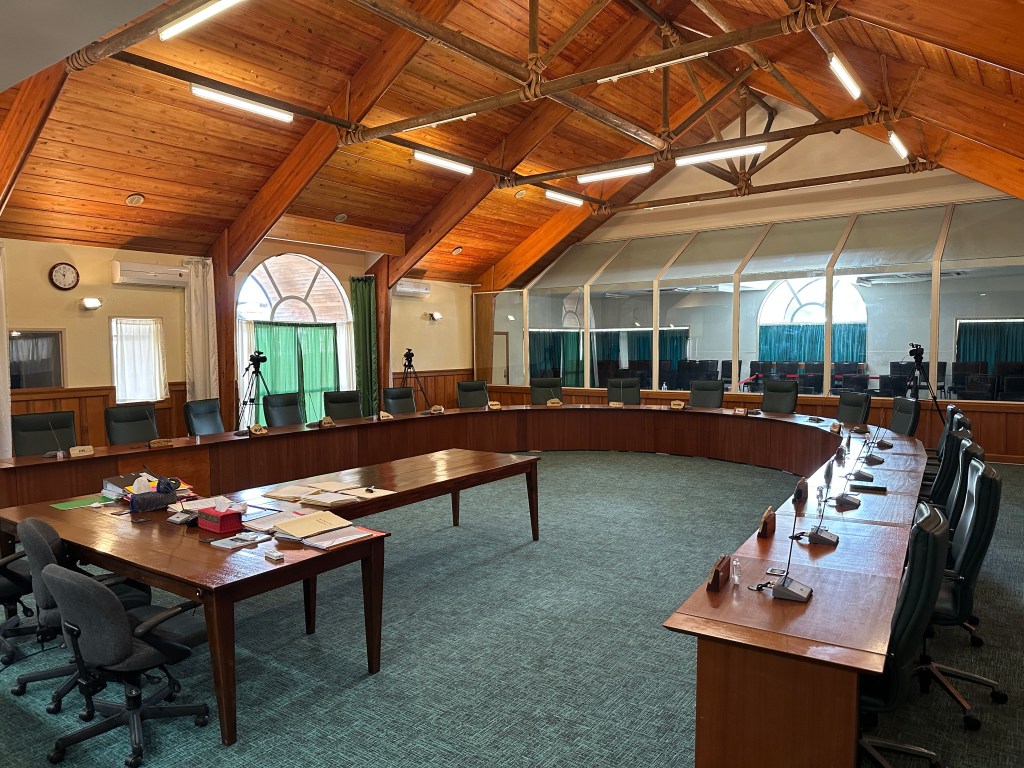
- Visitar el parlamento. Tienes que ir a preguntar para que te digan en qué momento les viene mejor, pero podrás ver la sala donde se toman las decisiones del país y otros rincones dedicados al gobierno de Nauru.
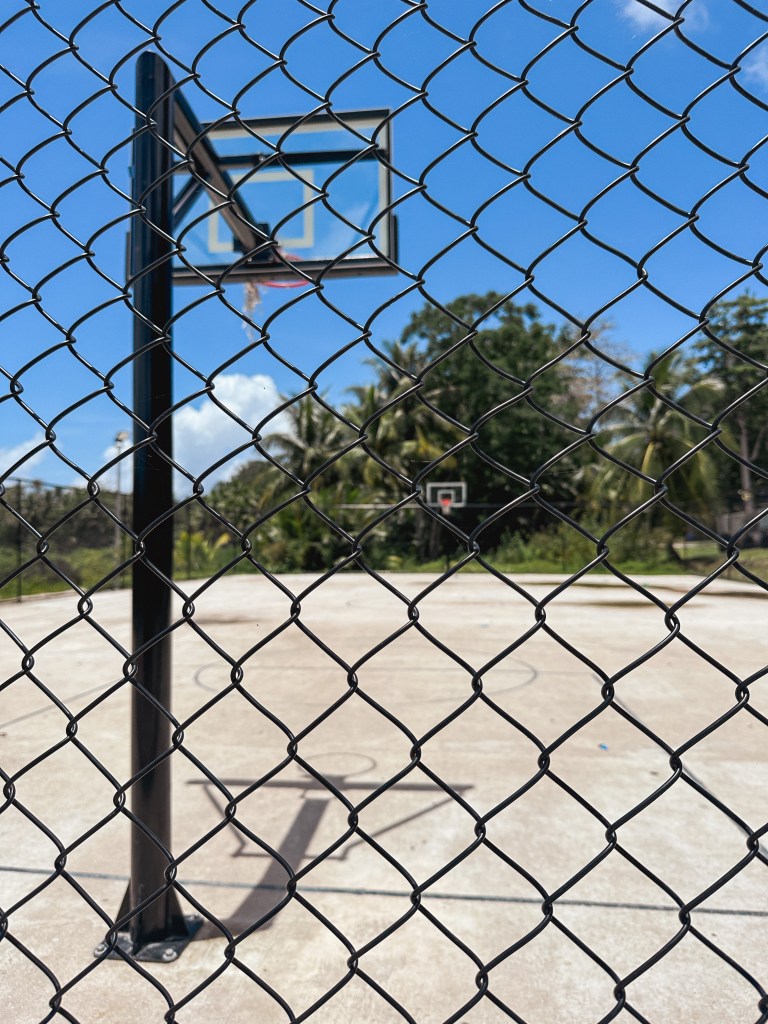
- Contar sus canchas de baloncesto. Durante esos 25 minutos en coche verás muchas canchas de baloncesto.Es parte de una iniciativa del gobierno para que los jóvenes se mantengan activos debido al problema de obesidad que sufren en el país.
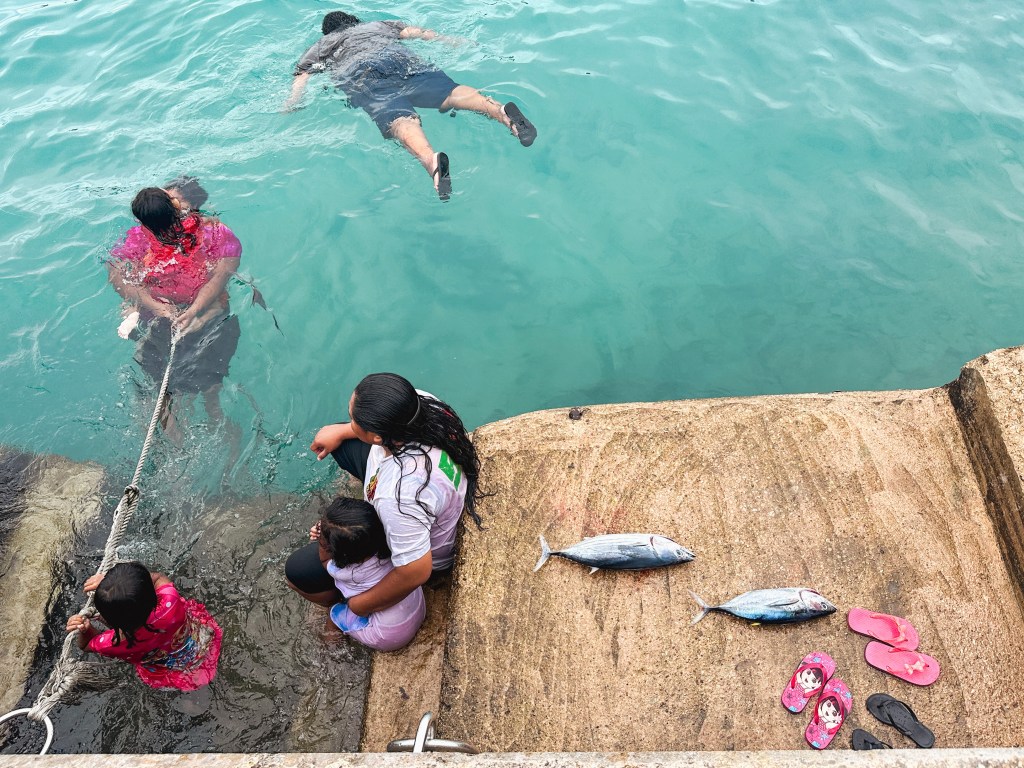
- Bañarte en el puerto. ¿Por qué aquí y no en la playa? Porque las playas están llenas de rocas de diferentes tamaños que son molestas y cortantes. Aquí se reúnen los locales y los niños disfrutan saltando desde grandes alturas y haciendo snorkel.
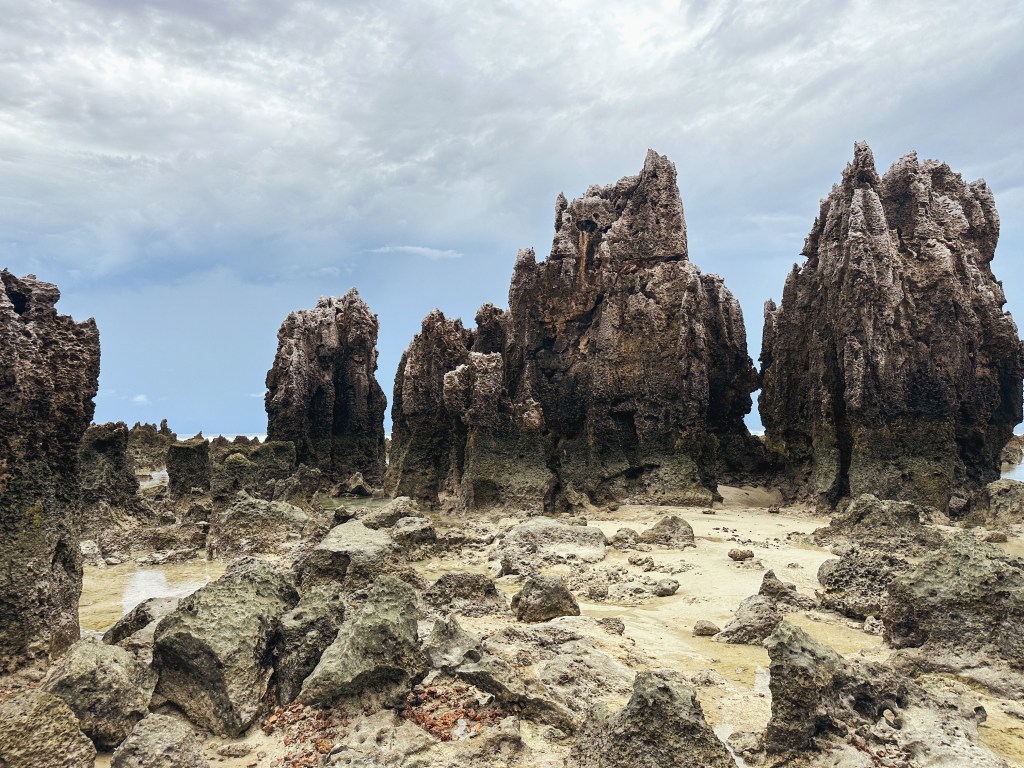
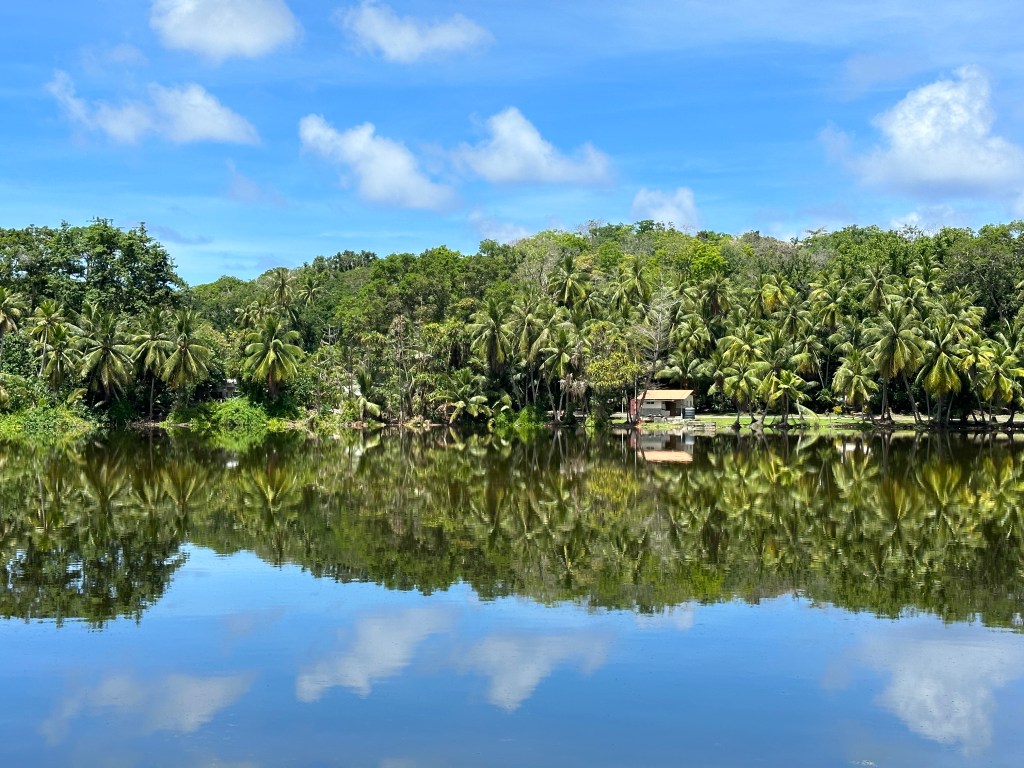
- Ver la antigua mina de fosfato: se puede recorrer en coche el centro de la isla donde están las canteras y de camino al lago se encuentra la fábrica. Si coincides con la persona de seguridad, te contará la historia.
- Ir a un de los comercios que abren 24/7. ¿Para qué se necesitan tantas tiendas abiertas a todas las horas del día? Esa respuesta aun no la tengo, pero es una auténtica curiosidad que haya tantos lugares a los que ir a comprar un martes a las 3:00 am.
- Evitar que te piquen los mosquitos. En dos días conté 70 picaduras. Aunque no transmiten enfermedades, son tremendamente molestos.
- Ver el único museo del país. Aunque pequeño, es interesante verlo para completar la historia del país de las últimas décadas.
- Andar con un palo por si te ataca un perro. Como lo lees… por alguna extraña razón esta isla está llena de perros de presa, que además de tener la función de proteger las casas, según nos dijeron, te pueden atacar. No tuvimos ningún susto pero no salíamos de casa sin un palo.
- Comprar sellos y enviar postales. En el post office hay una interminable colección de sellos con temática muy variada. Si al enviar una postal te dicen que tardan 15 días en llegar a Europa… no les creas. Las nuestras tardaron más de 2 meses en llegar a su destino.
Otras cosas a tener en cuenta en Nauru:
- Alojamiento: hay 2 hoteles en la isla. Son básicos, caros y con poco encanto. La oficina de turismo promovió el desarrollo de guest house con el objetivo de aumentar la oferta para los visitantes y nosotros tuvimos el privilegio de quedarnos en la primera casa que se utilizaba con este fin.
- Comida: debido a la contaminación de la isla por la mina de fosfato, no pueden cultivar frutas o verduras y, aunque en un par de supermercados se pueden encontrar, son carísimos (ejemplo: 4 manzanas 4€). Los locales no pueden permitirse comprar fruta o verdura y la alimentación es tan mala que hay mucha diabetes. Las opciones en el supermercado son limitadas debido a que todos los productos son importados (mucha lata y noodles instantáneos). Hay muchos restaurantes chinos donde llega todo el pescado fresco.
- Transporte: no hay ningún tipo de transporte público. Si quieres recorrer la isla tendrás que alquilar un coche o hacer autostop.
- Cómo llegar a Nauru: hay vuelos desde Brisbane, Fiji, Kiribati e Islas Marshall. Si tienes intención de visitar Nauru, lo ideal es que lo combines con otras islas del Pacífico.
- Visado: es fundamental realizarlo antes de ir y lo tramitan desde la propia oficina de turismo.
[English]
The less visited country
Our plane arrived at 3:30 am. At the airport the person in charge of the tourist office was waiting for us to take us to the first guest house in the country. I remember the sky that night as particularly beautiful, intoxicating. A clear, starry, cloudless sky. I could even see the roundness of the earth, as if I were in one of those water balls used as a souvenir, where the most common thing is to see a mountain landscape and, when you move it, it looks as if it is snowing. My snow was the stars, they enveloped and hypnotised me as we skirted the runway to go to what would be our home for several days, perhaps more days than we would have liked.
The sky and my imagination quickly placed me on this small island of 21 km2 in the middle of the South Pacific. A remote place in the world and far away from its neighbours. There had been no flights for several days and that creates a feeling of isolation, excitement, adrenaline and, to a lesser extent, worry (in case something happens). The reality check came when we arrived at this guest house that was crying out for a mosquito net and, due to the late hours of the night, made everything seem a little more hostile. And strange… it turns out that the owners of the house had forgotten to put towels and went to buy them at 4:00 am at one of the many shops run by Chinese nationals that are open 24 hours a day in Nauru.
What’s so special about Nauru? Nothing. It has no attractions worth crossing the whole world just to go to this island. I guess the remoteness and lack of attractions is what makes Nauru the country that receives the fewest tourists per year. In 2023 it had a total of 326 visitors. The data I would like to know is the average stay of each tourist. In just 1 day you have seen everything you can see in this country.
Nauru was part of our route on the South Seas – Himalaya Expedition and, although it is not particularly beautiful, it is a really interesting country because of the history of its last two centuries.
Brief history: Nauru is the third smallest country and the most remarkable thing about this Polynesian island is that in the early 20th century they discovered phosphate. The exploitation of the phosphate mine was responsible for the island having the highest per capita income in the world in the 1980s. They had so much money that, for example, they built what was then the tallest building in Melbourne. When the mine stopped producing, the country was close to bankruptcy. The management was so bad that the locals burnt down the president’s house because of the shortage of shops in 2001. In addition, due to the various colonisations the country has undergone, they have lost their traditions. There are 12 tribes on the island, and today young people do not know which tribe they belong to. Today, Nauru is working to revive its culture and make it attractive for tourism.
Nauru is curious, there are things you can only do on this Pacific island. Here is a list of 10 things to do on Nauru:
- Drive around the island in 25 minutes, by car. The maximum speed is 30km/hour, so imagine how small this country is!
- Visit the parliament. You have to go and ask them to tell you when it suits them best, but you’ll be able to see the room where the country’s decisions are made and other corners dedicated to Nauru’s government.
- Count their basketball courts. During the 25-minute drive you’ll see plenty of basketball courts – part of a government initiative to get young people active because of the country’s obesity problem.
- Swimming in the harbour – why here and not at the beach? Because the beaches are full of rocks of different sizes which are annoying and sharp. This is where the locals gather and children enjoy jumping from great heights and snorkelling.
- See the old phosphate mine: you can drive through the centre of the island where the quarries are and on the way to the lake you will find the factory. If you meet the security person, they will tell you the story.
- Go to one of the shops that are open 24/7. Why do you need so many shops open at all hours of the day? I don’t have the answer yet, but it’s a real curiosity that there are so many places to go shopping on a Tuesday at 3:00 am.
- Avoid getting bitten by mosquitoes. In two days I counted 70 bites. Although they do not transmit diseases, they are extremely annoying.
- See the country’s only museum. Although small, it is interesting to see it to complete the country’s history of the last decades.
- Carry a stick in case you get attacked by a dog. As you read it… for some strange reason this island is full of dogs of prey, which besides having the function of protecting the houses, according to what we were told, they can attack you. We didn’t have a scare but we wouldn’t leave home without a stick.
- Buy stamps and send postcards. In the post office there is an endless collection of stamps with a wide variety of themes. If they tell you when you send a postcard that it takes 15 days to arrive in Europe…. don’t believe them. Ours took more than 2 months to reach their destination.
Other things to consider on Nauru:
- Accommodation: there are 2 hotels on the island. They are basic, expensive and lacking in charm. The tourist office promoted the development of guest houses in order to increase the offer for visitors and we had the privilege of staying in the first house that was used for this purpose.
- Food: Due to the contamination of the island by the phosphate mine, they cannot grow fruit or vegetables and, although you can find them in a couple of supermarkets, they are very expensive (e.g. 4 apples €4). Locals cannot afford to buy fruit or vegetables and the food is so bad that there is a lot of diabetes. Supermarket choices are limited because all products are imported (lots of canned and instant noodles). There are many Chinese restaurants where all the fresh fish comes in.
- Transport: There is no public transport. If you want to get around the island you’ll have to hire a car or hitchhike.
- Getting to Nauru: There are flights from Brisbane, Fiji, Kiribati and the Marshall Islands. If you intend to visit Nauru, it’s best to combine it with other islands in the Pacific.
- Visa: it’s essential to get a visa before you go, and it’s processed by the tourist office itself.



 What's on my list