[English below]
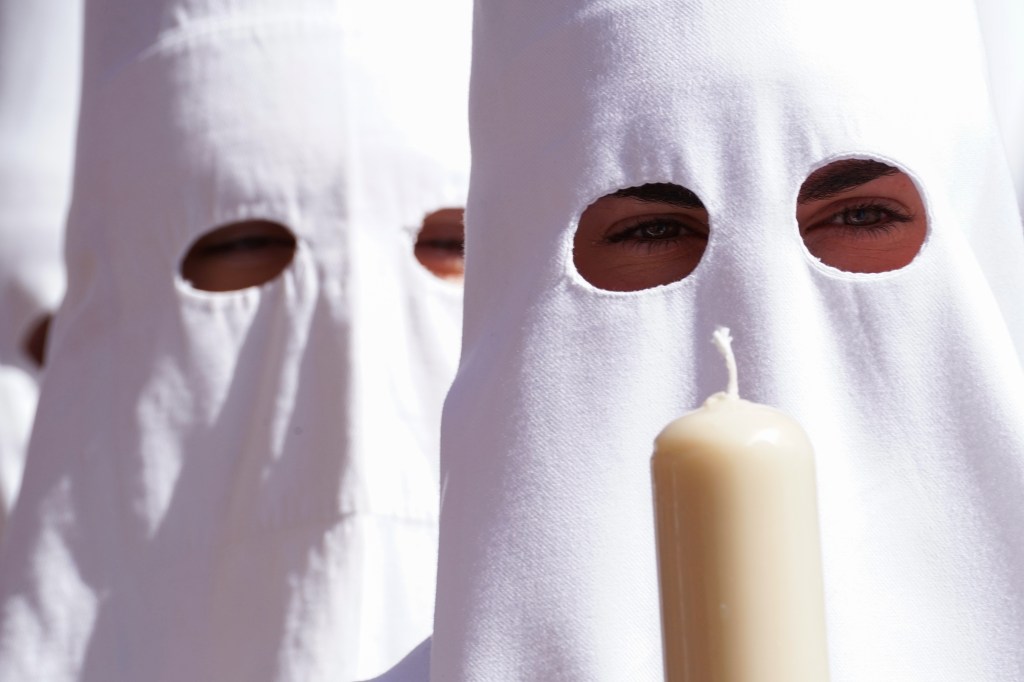
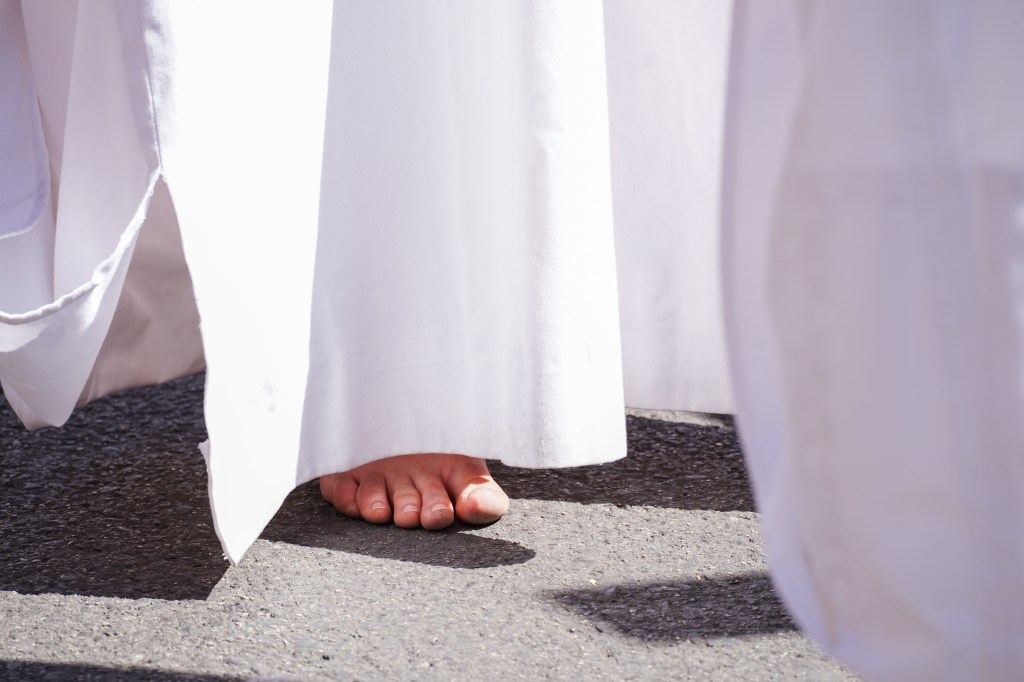
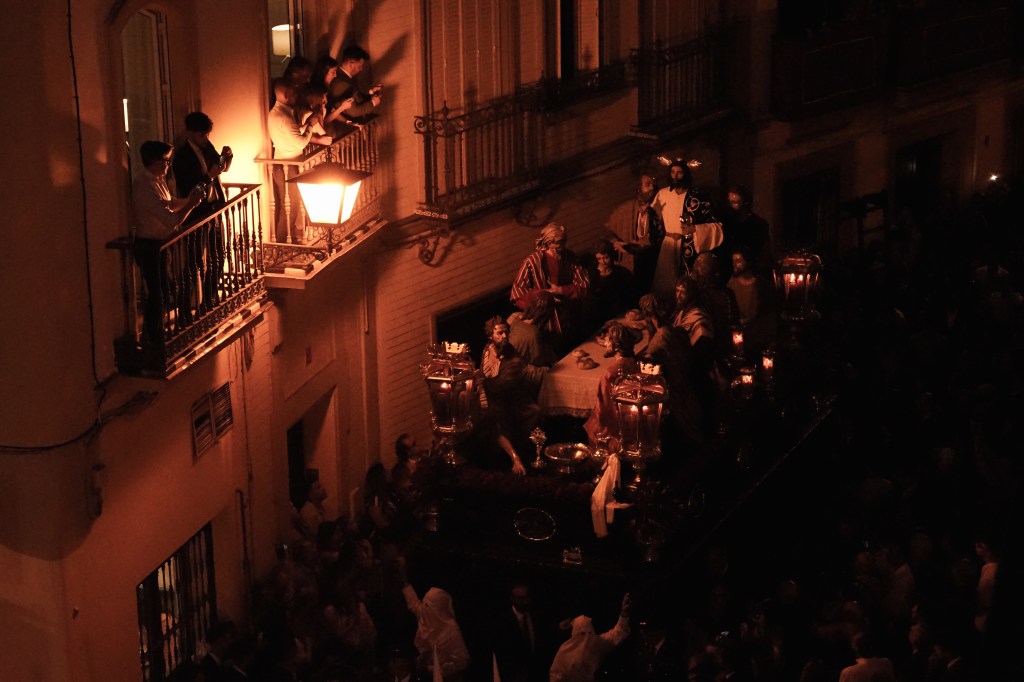
Cientos de personas con la atención puesta en el mismo lugar. Y era tal el silencio que se escuchaba el crepitar de las llamas. En la fotogénica hora azul, la noche caía y los cirios iluminaban los ojos de los nazarenos. Las gotas de cera caían al suelo dibujando un reguero que imitaba a la sangre, un color rojo especialmente llamativo junto a aquellos que llevaban los pies descalzos.
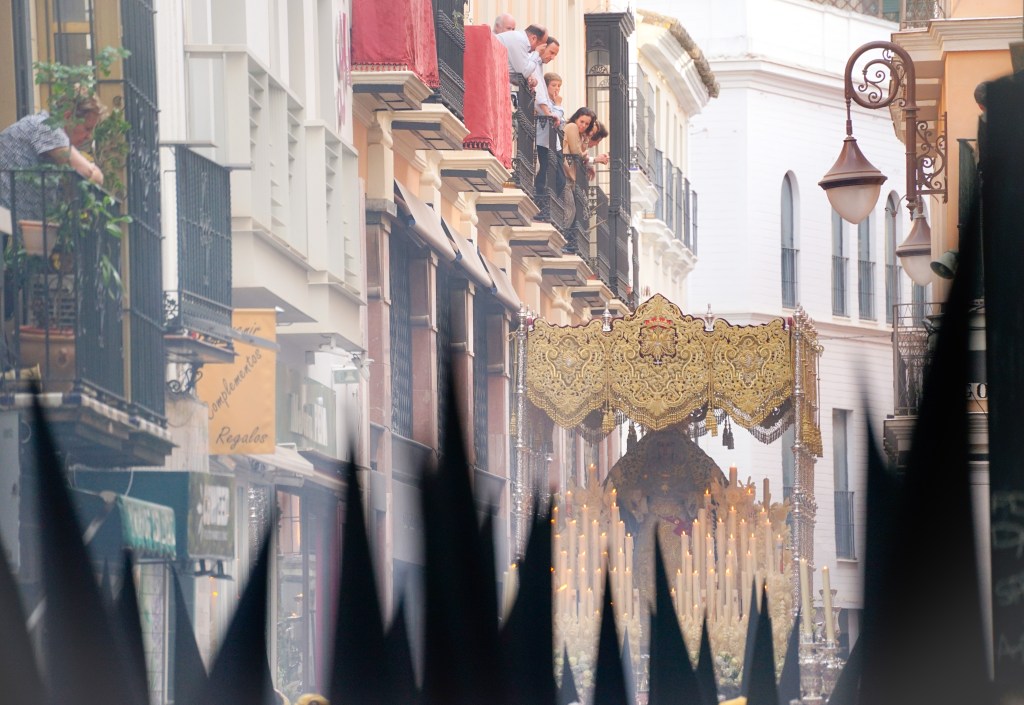
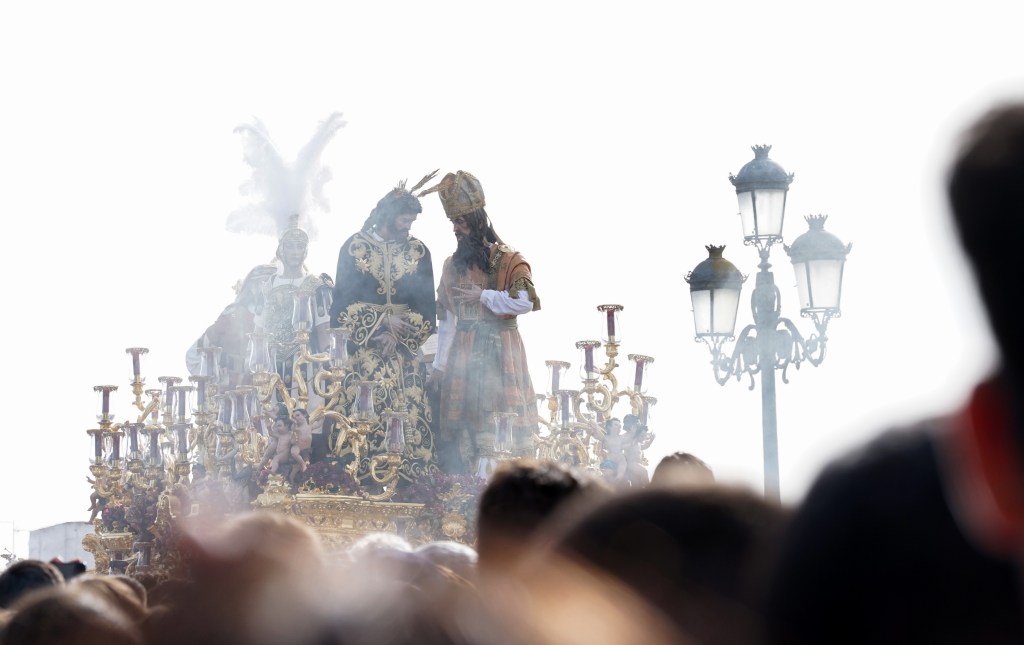
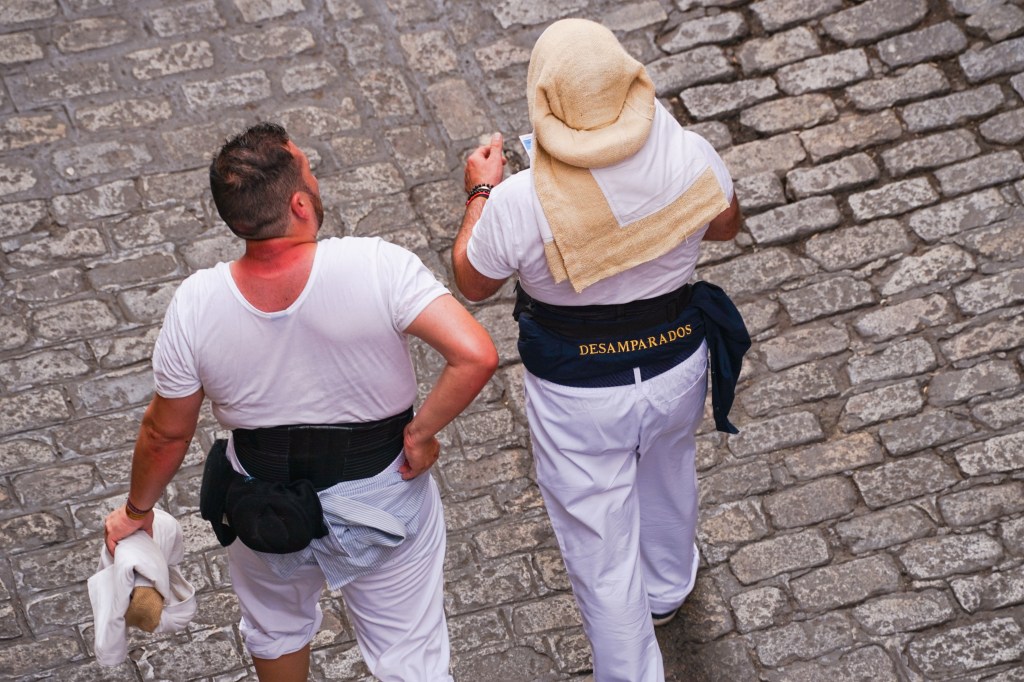
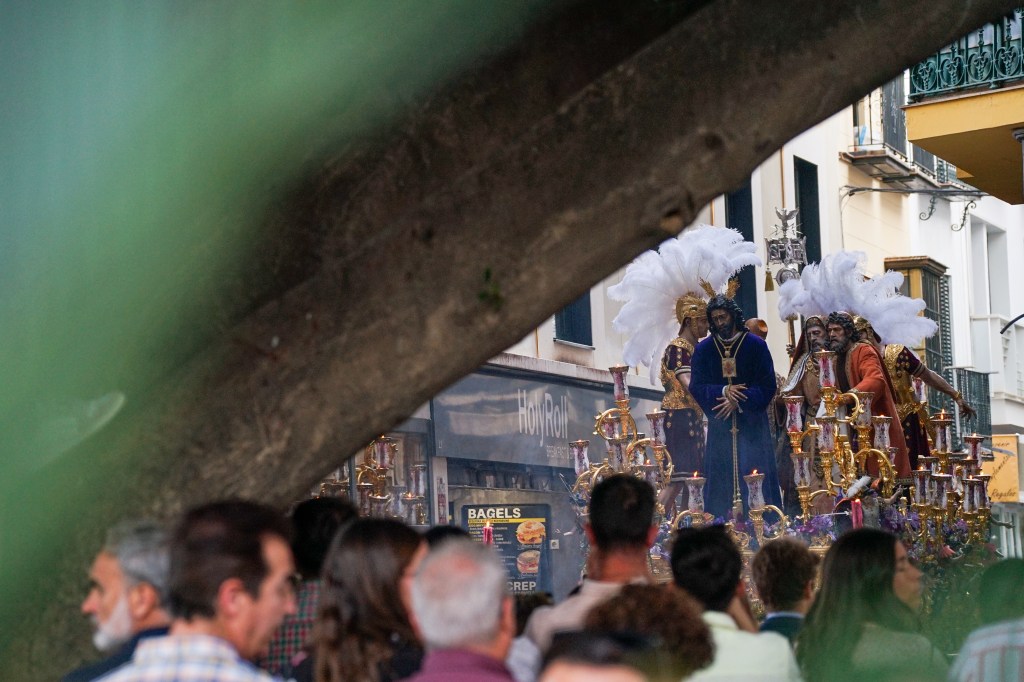
La calle del barrio de Santa Cruz es tan estrecha que solo te permite estar en fila de uno. La espalda bien pegada a la pared dejando hueco al paso, que baja por una pequeña cuesta desafiando a los costaleros. El capataz, experto en este arte de antaño, dirige a los costaleros de forma que parece que la virgen flota al moverse. Pasan a unos 10 centímetros de mi cara y por el entramado de la estructura del paso puedes ver incluso las caras de esas personas que sostienen el peso sobre su cuello. Concentración, devoción, pasión y mucha tradición. Es su día, llevan todo el año pensando en este momento.
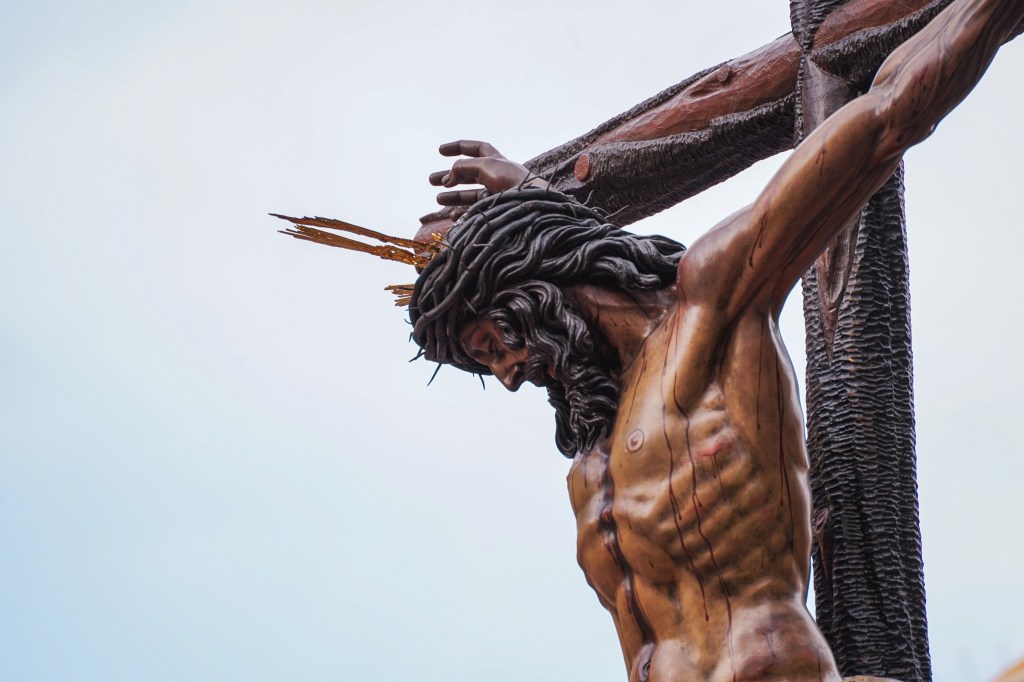
La Semana Santa hay que vivirla. Da igual que seas creyente o no, impresiona y emociona. Es cultura y folklore español, uno del que debemos estar muy orgullosos porque lo que ocurre en estos días, no es normal. Y esto lo subrayo con mucho énfasis y entusiasmo.
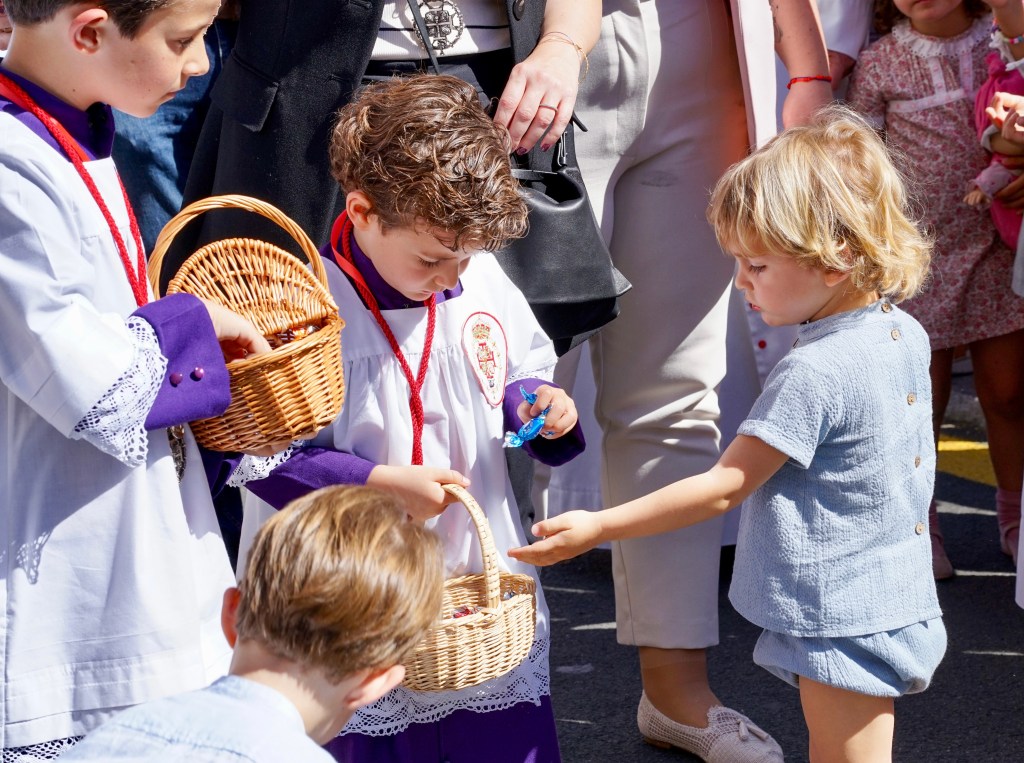
He visto niños coleccionando e intercambiando estampitas como el que colecciona e intercambia los cromos que le faltan de la colección. Niños a hombros en primera fila, jugando a videojuegos donde el objetivo era llevar un paso sin chocarse por las calles, haciendo pelotitas de la cera que cae de cirios y vestidos de nazarenos siendo muy pequeños. La tradición comienza desde el día que naces en esta ciudad porque lo más probable es que formes parte de una cofradía desde muy corta edad.
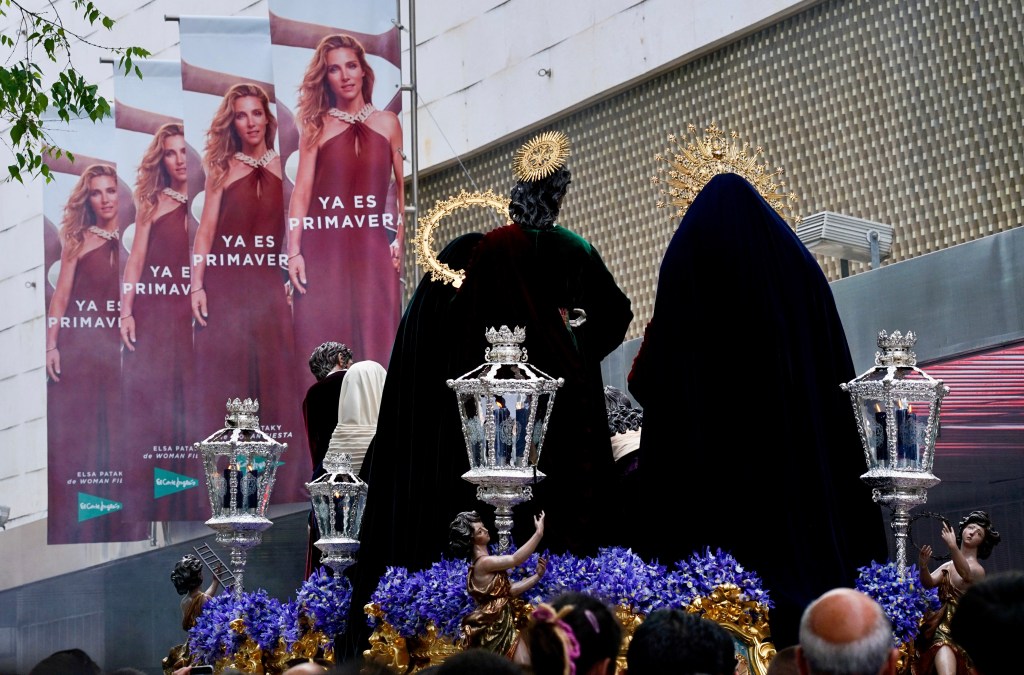
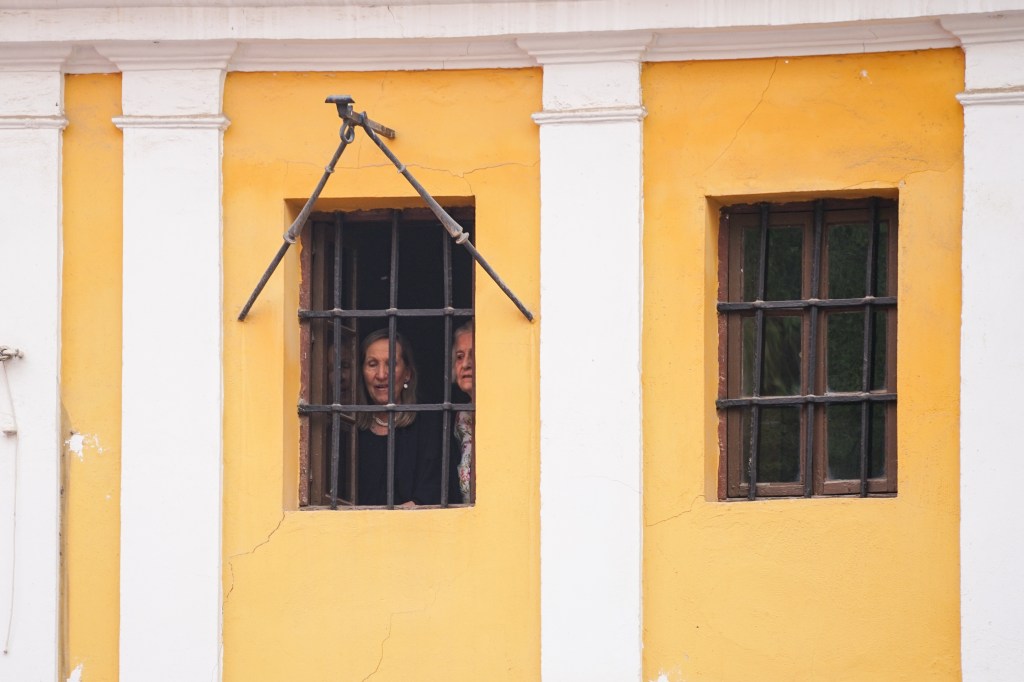
He visto mujeres asomadas al balcón y otras con su silla para aguantar las horas de espera. He visto a algunas personas llorar junto al paso, cómo le tiraban flores a la virgen, cómo otros intentaban tocarlo. Y las saetas, que yo, como viajera que soy, veo una enorme similitud con la llamada a la oración de los países musulmanes. A ver si no vamos a ser tan diferentes.
Si nunca has estado en Sevilla en Semana Santa, hay muchas tradiciones, costumbres y actos que llaman muchísimo la atención y que cuestan asimilar. Yo, que soy de Madrid y que tengo poca tradición religiosa, tuve la sensación de haber viajado a algún lugar remoto del mundo donde cada cosa que veía me llamaba la atención por su novedad. Y pensé, ¿cómo es posible que en el resto de España se sepa tan poco de lo ocurre en Semana Santa en Sevilla? Hablo de Sevilla porque es la que he conocido y además, dicen, es la Semana Santa más clásica y tradicional.
Recomendaciones de una persona de Madrid para vivir la Semana Santa:
- Aprende vocabulario básico de esos días: lo más probable es que escuches un sinfín de nuevos términos. ‘El llamador’ (es el programa más conocido de la Semana Santa, aunque también se le llama así a la pieza situada al inicio de los pasos con la que el capataz indica a los costaleros que hay que levantar el paso); trabajadera (las barras de madera donde los costaleros sujetan el peso de los pasos); capirote (la pieza cónica que llevan los nazarenos sobre la cabeza); cruz de guía (insignia que va al inicio de cada procesión); cirio (velas largas que portan los nazarenos), etc.
- Hazte con El llamador: es el folleto con el programa más famoso de la Semana Santa y ahí encontrarás todas las procesiones que salen, las horas y las calles que recorren. Es la biblia de la Semana Santa y es esencial para entender qué sucede en cada momento, qué hermandad es la que tienes delante, etc.
- Evita las bullas: hay veces que cuando se juntan dos pasos en la misma zona todo el mundo se acumula ahí, en la misma zona. Si tienes el llamador puedes prever esos momentos y adelantarte para evitar las bullas. Suelen ser muy agobiantes y puede que te quedes ahí horas (sí, has leído bien: horas).
- Vestimenta: formal pero cómodo, se caminan mucho.
- Muévete. Parte de la esencia está en ir de un lugar a otro, así podrás disfrutar de varios momentos. No te quedes a ver el paso de principio a fin. Hay cofradías que tienen muchos nazarenos y puedes quedarse en un mismo lugar 40 minutos viendo solo nazarenos.
- Menos es más. Sé que he dicho que te muevas… pero el día es largo. Reserva energía para ver una procesión por la tarde – noche, todo cambia.
- Esto sé que no siempre es posible pero… ve acompañado de un local. Conocer la ciudad, que te expliquen lo que ocurre y saberse el callejero, te hará no solo disfrutar como nadie de este espectáculo, también podrás evitar alguna bulla.
- Escucha: a las bandas que acompañan, el silencio, las saetas.
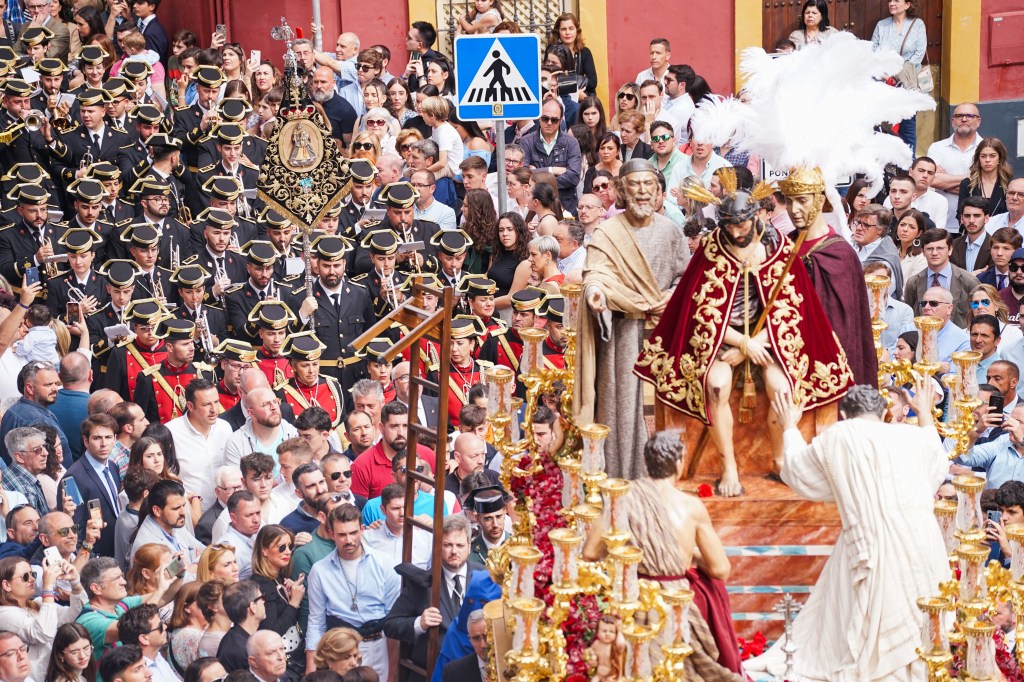
- Observa. Estoy segura de que hay muchas cosas que nuca has visto. La pasión, los cantes, el capataz dando indicaciones, el ritmo al que andan los costaleros y cómo parece que algunos cristos van caminando, el número de cruces que cargan los Nazarenos (limitado a 3, antes algunos llevaban hasta 8), la ilusión de los niños, el olor del incienso, el aguador saciando la sed de los costaleros o de la banda…
Es un espectáculo, de los mayores que tenemos en España.
Sígueme en Instagram!
[English]
Passion and traditions at Easter in Seville, Spain.
Hundreds of people with their attention on the same place. And such was the silence that the crackling of the flames could be heard. In the photogenic blue hour, night was falling and the candles illuminated the eyes of the Nazarenes. The drops of wax fell to the ground in a trail that imitated blood, a particularly striking red colour near to those who wore bare feet.
The street in the Santa Cruz neighbourhood is so narrow that you can only stand in a single file line. The back is pressed against the wall, leaving room for the paso (the structure where is carried the Virgin or Christ), which descends a small slope, defying the costaleros (people inside the paso, carrying it). The foreman, an expert in this ancient art, directs the costaleros to make it look as if the Virgin is floating. They pass about 10 centimetres from my face and through the framework of the structure of the paso you can even see the faces of those people who carry the weight on their neck. Concentration, devotion, passion and tradition. It is their day, they have been thinking about this moment all year.
Holy Week has to be experienced. Whether you are a religious person or not, it is impressive and moves you. It is Spanish culture and folklore, one of which we should be very proud because what happens during these days is not normal. And I stress this with great emphasis and enthusiasm.
I have seen children collecting and exchanging stamps (with Virgin and Christ faces) like those who collect and exchange the cards that are missing from their collection. Children on the shoulders in the front row, playing video games where the objective was to carry a paso without bumping into each other through the streets, making little balls of wax falling from candles and dressed as Nazarenes when they were very young. The tradition starts from the day you are born in this city because the chances are that you will be part of a brotherhood from a very young age.
I have seen women leaning out on the balcony and others with their chairs to endure the hours of waiting. I have seen some people crying next to the paso, how they threw flowers at the Virgin, how others tried to touch it. And the saetas, which I, as a traveller myself, see an enormous similarity with the call to prayer in Muslim countries. Maybe we are not that different ourselves.
If you have never been to Seville during Holy Week, there are many traditions, customs and acts that are very striking and difficult to assimilate. I’m from Madrid and have little religious tradition, so I had the feeling of having travelled to some remote part of the world where everything I saw caught my attention because it was new for me. And I thought, how is it possible that in the rest of Spain so little is known about what happens at Easter in Seville? I speak about Seville because it is the one I have known and, besides, they say, it is the most classic and traditional Holy Week.
Recommendations from someone from Madrid to live and enjoy the Easter Week in Seville:
- Learn some vocabulary: chances are you’ll hear a host of new terms. ‘El llamador’ (the official Holy Week programme, although this is also the name given to the piece at the beginning of the pasos with which the foreman indicates to the costaleros that they have to lift the paso); trabajadera (the wooden bars where the costaleros hold the weight of the pasos); capirote (the conical piece that the Nazarenes wear on their heads); cruz de guía (the badge that goes at the beginning of each procession); cirio (long candles that the Nazarenes carry), etc.
- Get hold of El llamador: this is the official programme of Holy Week and you will find all the processions that go out, the times and the streets they go through. It is the bible of Easter and is essential to understand what is happening at any given moment, which brotherhood is in front of you, etc.
- Avoid the crowds: there are times when two pasos come together in the same area and everyone is crowded there, in the same area. If you have ‘El llamador’, you can anticipate these moments and get ahead to avoid the crowds. They tend to be very crowded and you may be there for hours (yes, you read that right: hours).
- Dress code: formal but comfortable, you’ll walk a lot.
- Move around. Part of the essence is to go from one place to another, so you can enjoy several moments. Don’t stay to watch the procession from beginning to end. There are brotherhoods that have many Nazarenes and you can stay in the same place for 40 minutes watching only Nazarenes.
- Less is more. I know I told you to move… but the day is long. Reserve some energy to see a procession in the afternoon – evening, everything changes.
- I know this is not always possible but… go with a local. Knowing the city, being told what’s going on and knowing the streets will not only make you enjoy this spectacle like no one else, but you will also be able to avoid some of the crowds.
- Listen: to the bands, to the silence, to the saetas (songs that someone, usually from a balcony, sings for the Virgin or Christ).
- Observe. I’m sure there are many things you’ve never seen before. The passion, the singing, the foreman giving directions, the pace at which the costaleros walk and how it seems that some Christs are strolling, the number of crosses carried by the Nazarenes (limited to 3, some used to carry up to 8), the children’s excitement, the smell of incense, the water carrier quenching the thirst of the costaleros or of the band…
It is wonderful, one of the biggest shows we have in Spain.
Remember to follow me on Instagram!

 What's on my list