[English below]
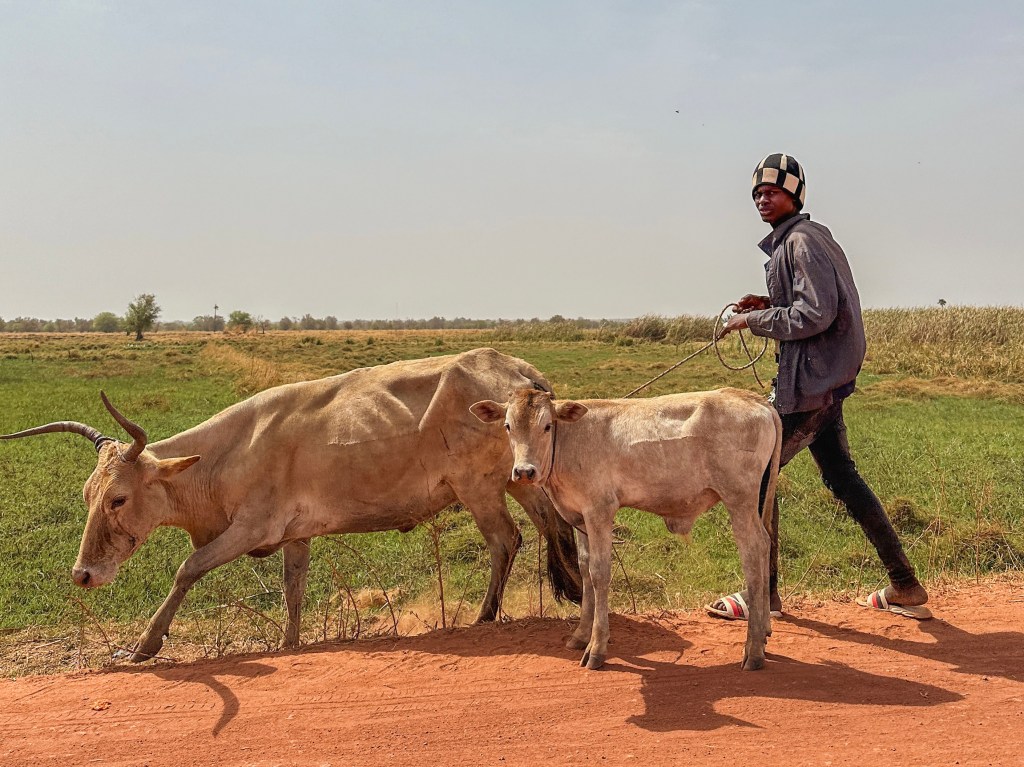
Mutar tiene tres madres. Solo una de ellas es la biológica pero llama “mamá” a todas ellas. Dice que con la que mejor se lleva es con la más joven, que le ha dado dos hermanos. Su mejor amigo es más pequeño que él y coincide que también es su hermano, pero de la madre más mayor. Todos viven prácticamente juntos y desde que su padre falleció, son los hijos quienes tienen que cuidar de las madres y de las familias al completo.
Mutar trabaja con turistas y él dice que ese es el motivo por el que siempre le paran en los infinitos controles de policía que hay en el país. Algunos son muy agradables y le dan la enhorabuena por tener todo en regla, otros creen que tiene mucho dinero por llevar blancos en el coche y buscan la forma de sacarle dinero con alguna posible multa. Orgulloso, él nos asegura que eso no va a ocurrir porque tiene todos los papeles necesarios para realizar correctamente su trabajo.
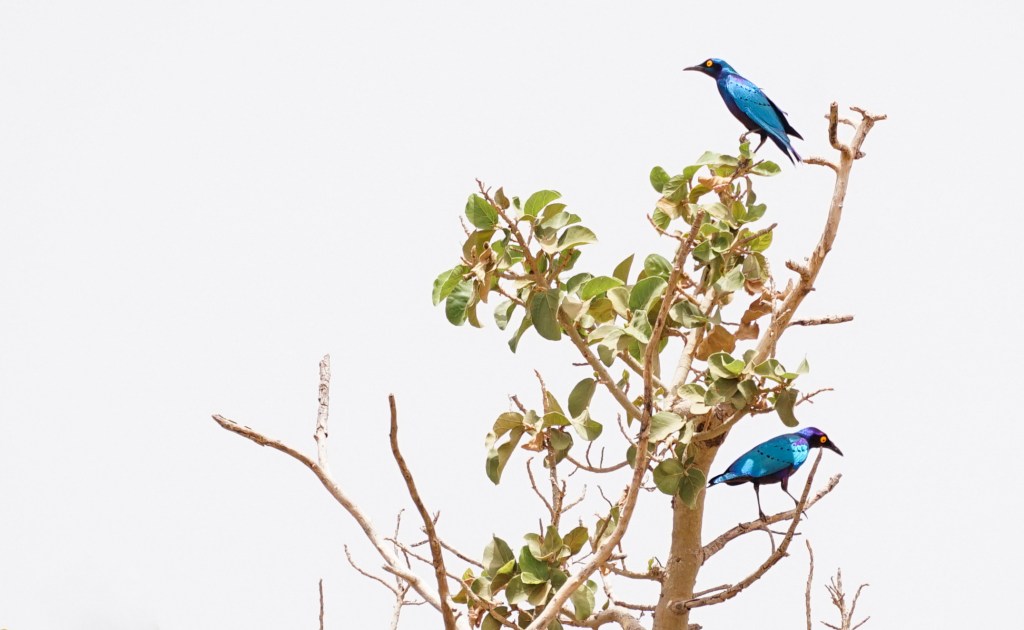
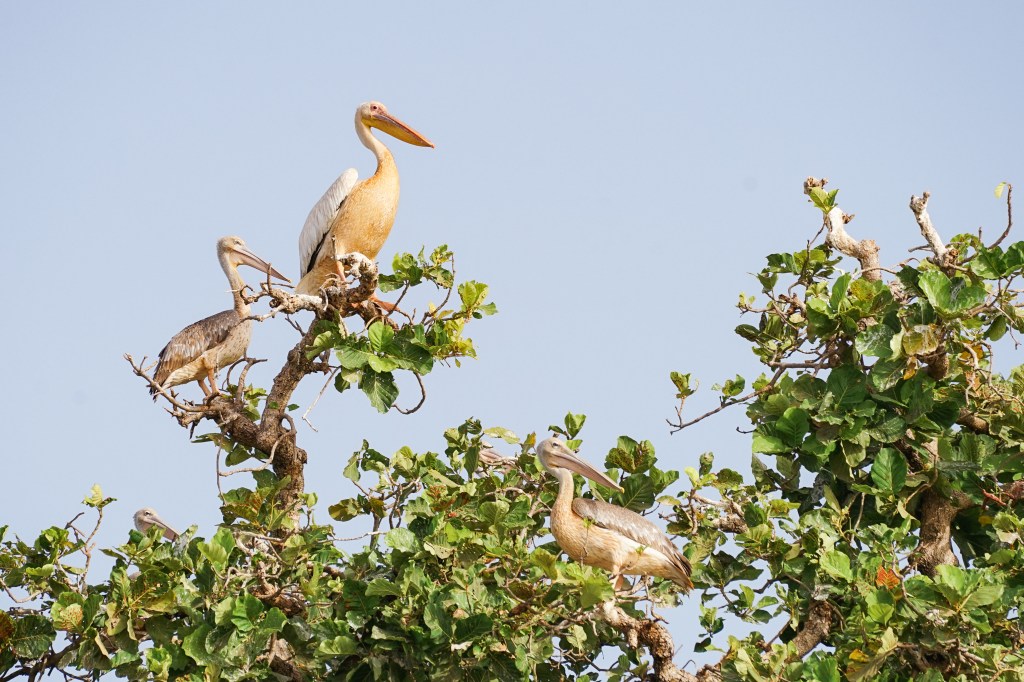
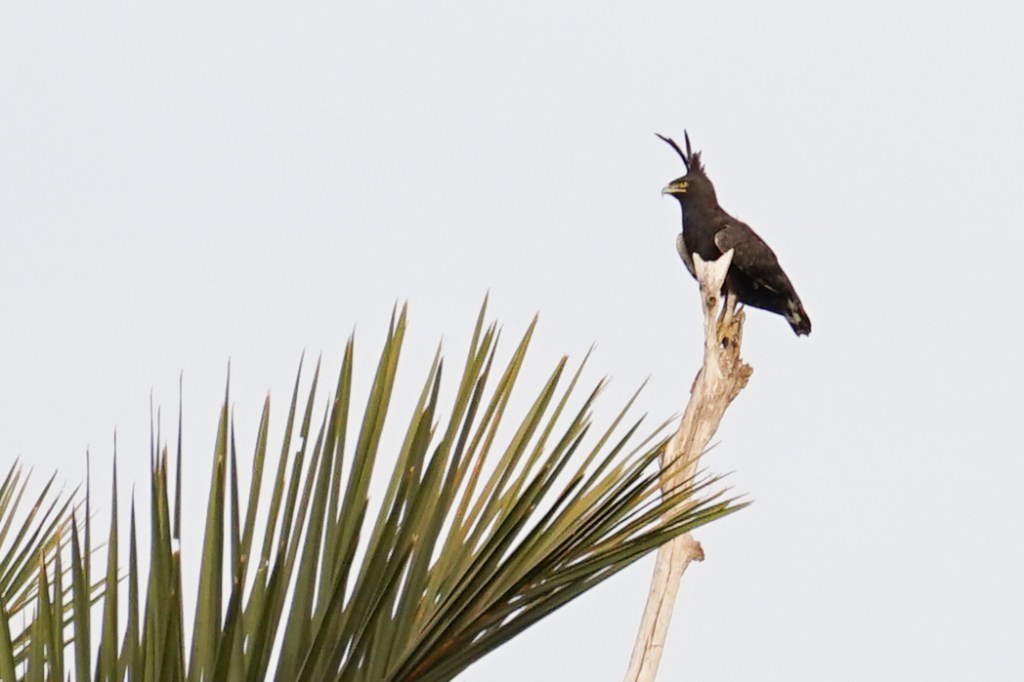
Es un apasionado de las aves y aprendió a distinguir su canto porque su mejor amigo y hermano le dejó grabarse un CD donde explicaban cómo era cada pájaro de la zona y el sonido que emitían. Ellos se van a pasar el día a parques naturales y luego comparan lo que han visto y oído con lo que tienen en su CD. Esas ganas de volar es lo que hace que Mutar sea un gran experto ornitólogo y un profesional con los turistas.
Nosotros, que teníamos el río Gambia en los highlights de nuestro viaje, no pudimos tener mejor guía. Puntual y educado, nos explicaba qué era lo que íbamos viendo por el camino. Sabiendo nuestra pasión por la fauna, se volcó en darnos todo tipo de detalles y estar muy atento para que no nos perdiésemos ni una de las aves del camino.
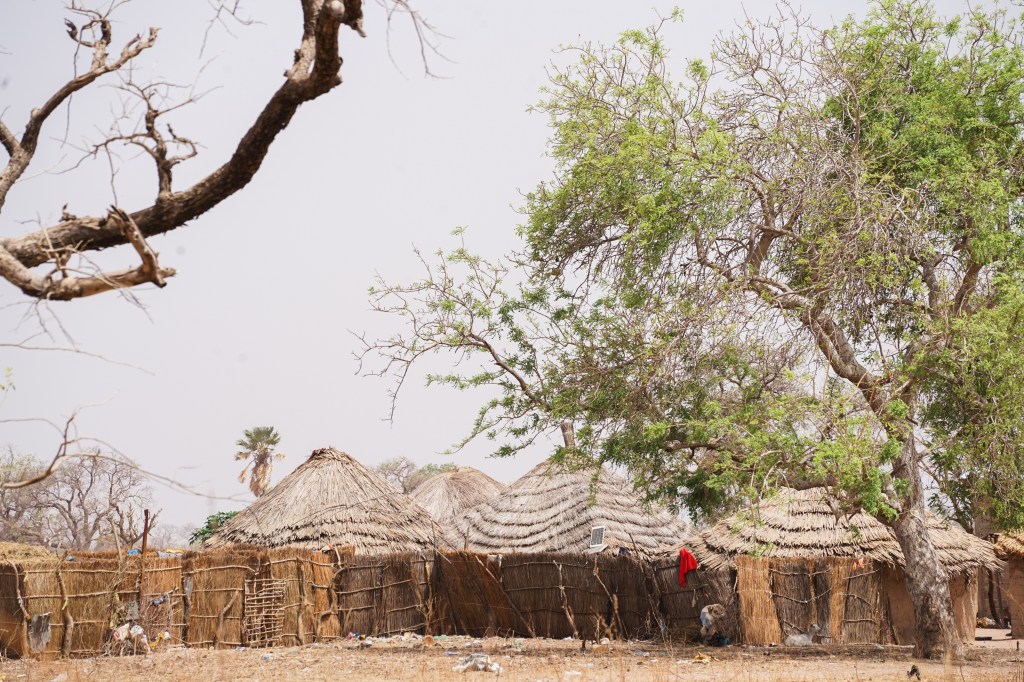
Gambia es el país más pequeño de África continental, está bordeado en su totalidad por Senegal y dividido en dos por el río Gambia. Esta curiosidad se debe a que en la época colonial los ingleses tenían un gran interés en la zona del río Gambia y supongo que negociarían con los franceses para ocupar ese territorio. Otro dato de interés es que la población del sur no viaja al norte y viceversa, entre otras cosas porque hasta 2015 no tuvieron el primer puente para cruzar el río en vehículo de ruedas.
Además, ¿sabías que intentaron crear un país que llamado Senegambia? La idea no fructificó pero ese nombre se escucha mucho en el país, aunque curiosamente no lo hemos escuchado en nuestra visita en Senegal. A día de hoy y según los habitantes a los que les hemos preguntado, en Gambia no quieren formar parte de Senegal a pesar de que hay muchos progresos en el país vecino que seguro les beneficiaría.
Qué ver en Gambia:
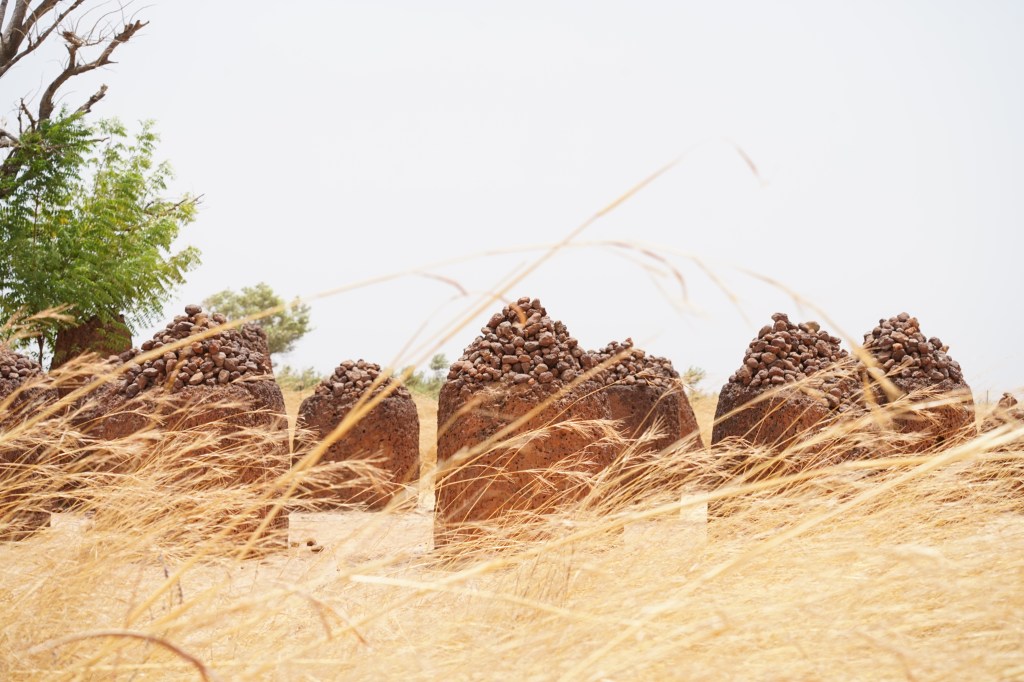
- Wassu: consiste en 4 grupos grandes de círculos megalíticos que son Patrimonio de la Humanidad por la UNESCO.
- Parque Nacional Río Gambia: a pesar de que el interior de Gambia es árido y se asemeja más a la típica sabana africana, en las orillas del río Gambia y a la altura de Kuntaur, se puede disfrutar de este maravilloso Parque Nacional lleno de vida animal: aves, hipopótamos, cocodrilos, monos y chimpancés se pueden avistar desde uno de los barcos que hace safari por el río Gambia. El precio del barco es de 25€ por persona y un buen lugar para alojarse es en la guesthouse Kairoh Garden.
- Reserva de chimpancés: los chimpancés se extinguieron en Gambia a principios del siglo XX por la deforestación y el consumo de carne salvaje por parte de los locales. En 1979 se inició un proyecto de rehabilitación liderado por Stella Brewer en 3 islas del río Gambia. Con un poco de suerte, se pueden ver desde el barco. Aquí te cuento nuestra experiencia.
- Isla de Kunta Kinteh: fue un enclave en la ruta de esclavos de los países colonizadores europeos. Dejaban durante 3 semanas a las personas que habían reclutado con el fin de convertirlos en esclavos. Después de ese tiempo llevaban a América a los más fuertes.
- Senegambia: es la zona más turística de Gambia. Cerca de Banjul y junto a la playa, tiene una gran cantidad de restaurantes internacionales.
Otros consejos para tu visita en Gambia:
- Comida: comimos muy rico tanto en la zona del río Gambia (curiosamente no tenían pescado) como en Senegambia, donde además se pueden encontrar muchos tipos de restaurantes internacionales. Recomiendo probar el estilo yassa, lo verás de carne, pescado y verduras.
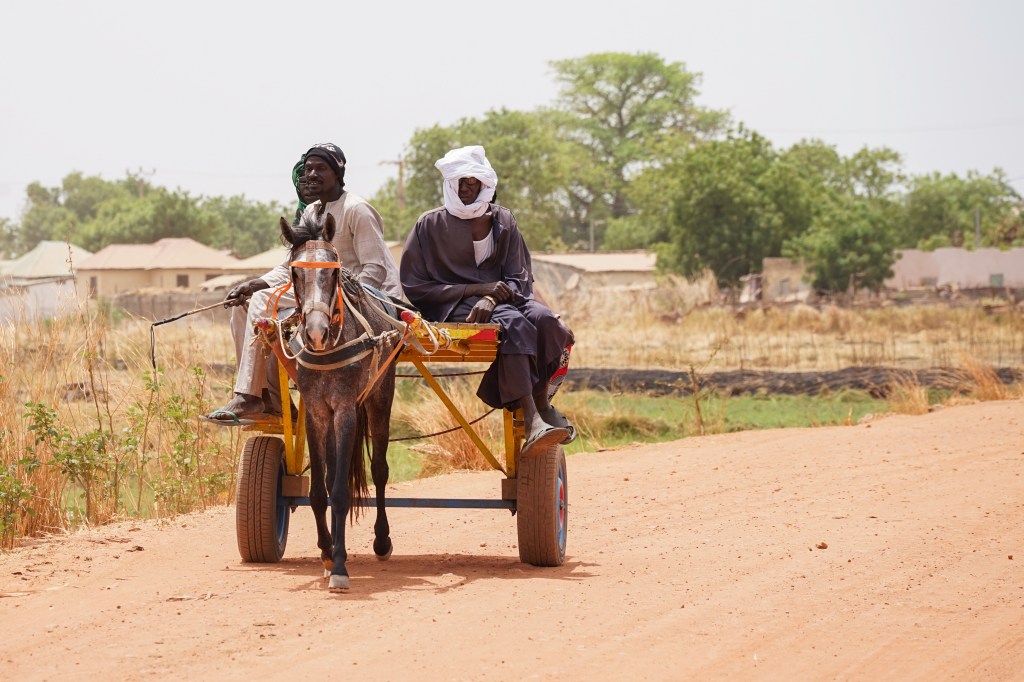
- Transporte: recomiendo contactar con un conductor local para realizar todas las actividades. En caso de necesitar un taxi, es necesario acordar el precio antes de subir. Para cruzar de Barra a Banjul hay un ferry que no tiene muy claros los horarios; la alternativa de cruzar en barco privado puede ser un poco estresante y caótico mientras se negocia con los locales (el precio es de 0,70€).
- Moneda: se puede cambiar fácilmente en la zona de Senegambia y en Barra en el caso de cruzar por tierra desde Senegal, en el interior del país es necesario llevar efectivo.
Sígueme en Instagram para ver más contenido diario.
[English]
Gambia, the smallest country in Africa
Mutar has three mothers. Only one of them is his biological mother, but he calls them all «mum». He says that the one he gets on best with is the youngest, who has given him two brothers. His best friend is younger than him and also happens to be his brother, but from the oldest mother. They live all together and since their father passed away, it is the sons who have to take care of the mothers and the whole families.
Mutar works with tourists and he says that this is why he is always stopped at the endless police checkpoints in the country. Some are very nice and congratulate him for having everything in order, others think he has a lot of money because he has white people in his car and look for ways to get money out of him with some king of fine. Proudly, he assures us that this will not happen because he has all the necessary papers to do his job properly.
He is passionate about birds and learned to distinguish their song because his best friend and brother let him record a CD of what each bird in the area looked like and the sound it made. They go to nature parks for the day and then compare what they have seen and heard with what they have on their CD. This desire to fly is what makes Mutar such an expert ornithologist and professional with tourists.
We, who had the Gambia River in the highlights of our trip, could not have had a better guide. Polite and always on time, he explained to us what we were seeing along the way. Knowing our passion for wildlife, he went out of his way to give us all sorts of details and was very attentive to make sure we didn’t miss a single bird along the way.
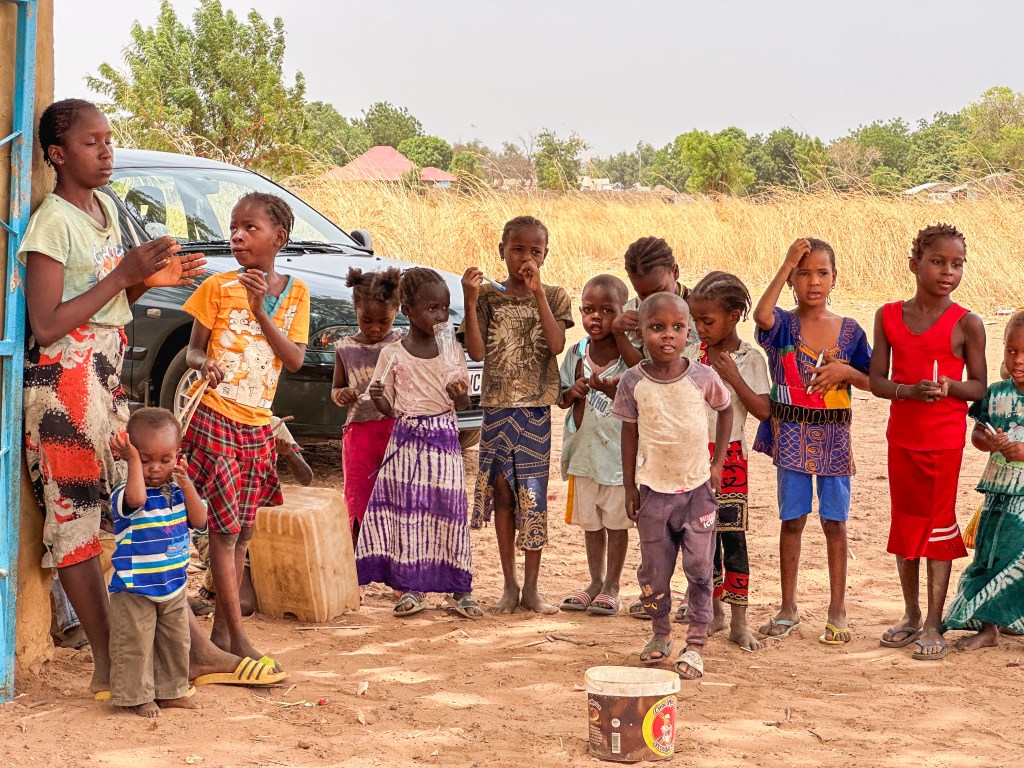
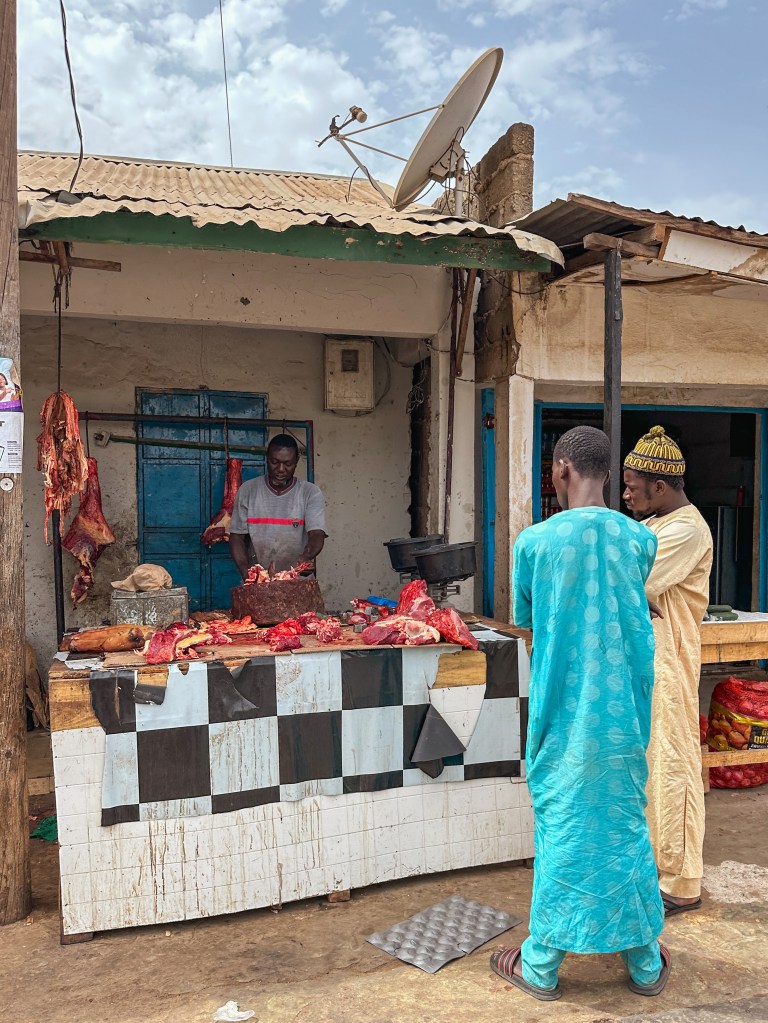
The Gambia is the smallest country in continental Africa, bordered in its entirety by Senegal and divided in two by the Gambia River. This curiosity is due to the fact that in colonial times the British had a great interest in the area of the Gambia River and I guess they would negotiate with the French to occupy this territory. Another interesting fact is that the population of the south does not travel to the north and vice versa, among other things because it was not until 2015 that they had the first bridge to cross the river in a wheeled vehicle.
Did you know that they tried to create a country called Senegambia? The idea did not come out, but you heard that name a lot in the country, although we did not hear it during our visit to Senegal. Nowadays, and according to the inhabitants we asked, Gambia does not want to be part of Senegal, even though there is a lot of progress in the neighbouring country that would surely benefit them.
What to see in The Gambia:
- Wassu: consists of 4 large groups of megalithic circles that are UNESCO World Heritage Sites.
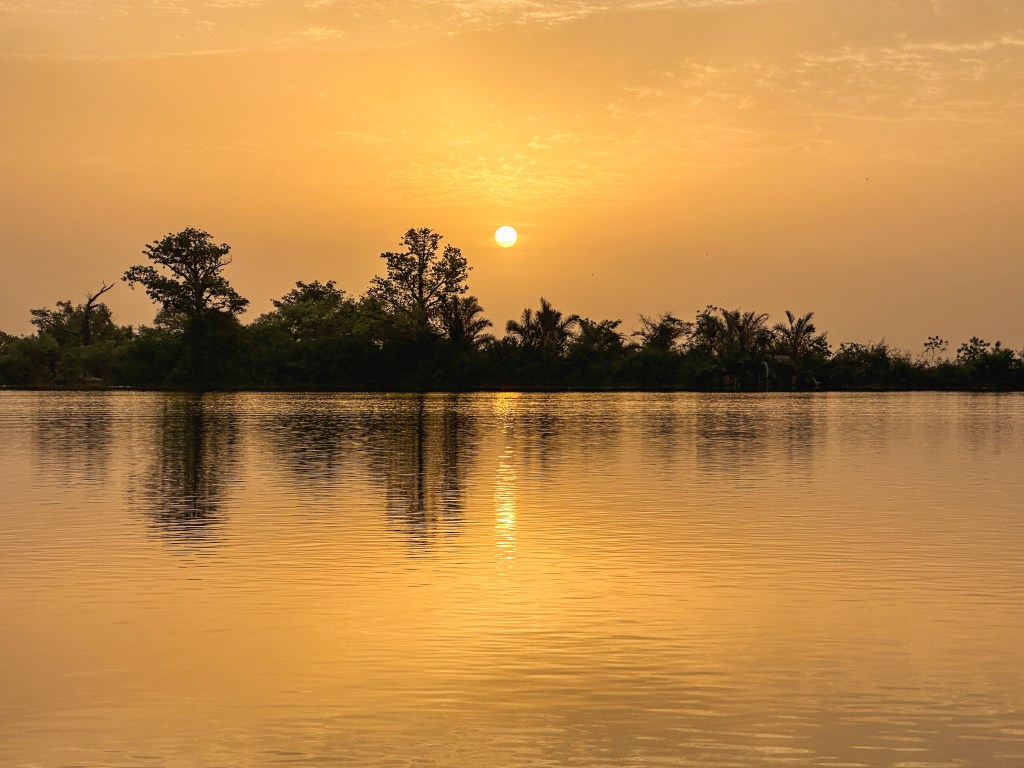
- River Gambia National Park: although the interior of The Gambia is arid and more like the typical African savannah, on the banks of the Gambia River and around Kuntaur, you can enjoy this wonderful national park full of animal life: birds, hippos, crocodiles, monkeys and chimpanzees can be spotted from one of the boats that go on safari on the Gambia River. The boat costs €25 per person and a good place to stay is at the Kairoh Garden Guesthouse.
- Chimpanzee Reserve: Chimpanzees became extinct in The Gambia in the early 20th century due to deforestation and the consumption of wild meat by locals. In 1979 a rehabilitation project led by Stella Brewer was started on 3 islands in the Gambia River. With a bit of luck, you can see them from the boat. Here you can read our experience.
- Kunta Kinteh Island: this was an enclave on the slave route of the European colonising countries. They would leave the people they had recruited for 3 weeks in order to turn them into slaves. After that time, the strongest were taken to America.
- Senegambia: it is the most touristic area of Gambia. Close to Banjul and next to the beach, it has a lot of international restaurants.
Other tips for your visit to The Gambia:
- Food: we ate very well both in the Gambia River area (funny thing they didn’t have fish) and in Senegambia, where you can also find many types of international restaurants. I recommend trying the yassa style, you will see it with meat, fish and vegetables.
- Transport: I recommend contacting a local driver for all activities. In case you need a taxi, it is necessary to agree on the price before getting in. There is a ferry crossing from Barra to Banjul but the timetable is not very clear; the alternative of crossing by private boat can be a bit stressful and chaotic while negotiating with the locals (the price is €0.70).
- Currency: You can easily change money in the Senegambia area and in Barra if you’re crossing overland from Senegal; in the interior of the country you’ll need to carry cash with you.
Follow mw on Instagram for daily updates.

 What's on my list
Espectacular Tamara, como siempre nos enseñas tus viajes y nos haces partícipes de ellos. Gracias por dejarnos recorrer el mundo y sus gentes con tu forma de contarlo y vivirlo, eso se llama pasión.
Me gustaLe gusta a 1 persona